Bodegas Señorio de Nevada

BODEGAS SEÑORIO DE NEVADA

VISITED!

 GRANADA JEREZ SEVILLE MARCH 2014 019

It’s over a year since I first wrote about the impressive and slowly expanding portfolio of wines at Bodegas Señorio de Nevada, DO Granada. Head Winemaker, Chema Concustell, is charged with fashioning a range of wines that will delight consumers and gain awards and medals on the way.


Our e-mail exchanges over the months leading up to my article and subsequently have always ended with an invitation from Chema to visit the bodega and stay overnight in their hotel which is surrounded by the vines from which come the grapes that make their wines. Recently I decided to take him up on his kind offer, and bring some friends along too!


At the end of March twenty-five of us turned up at the superior 4* Hacienda Señorio de Nevada and having checked into our luxurious rooms we assembled in the foyer where we met our guide, plus General Manager, Antonio Gimeno, who was also keen to meet such a large group of wine enthusiasts.


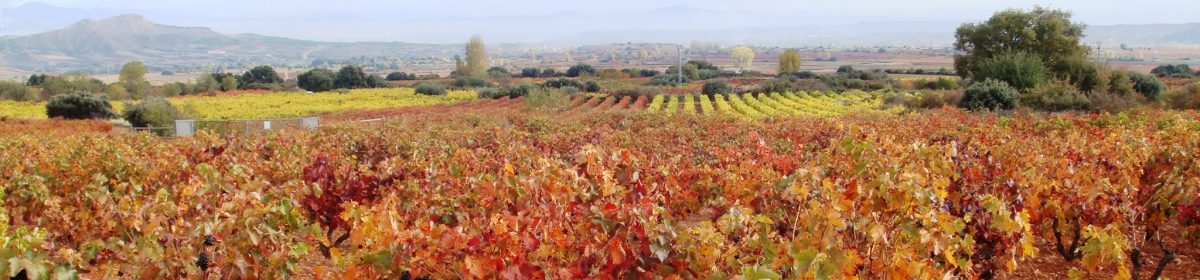
To say that the Señorio de Nevada bodega and hotel is an impressive project, doesn’t really do it justice. The group of five businessmen, who have made their money from construction in nearby Granada, and who started the business in 1996, have spared no expense in terms of  building and interior design. Plus, their attention to the detail that is required if fine wine is to be made, no doubt with a huge input from Chema and Antonio, is second to none.


It’s a long-term project that is relatively in its infancy (note, for example, that the 2013 white wine we tasted is their first white wine vintage – a new product), and yet already the plaudits are rolling in. Indeed, after our tour of the bodega, we started our tasting with the wine that has most recently garnered a Gold Medal, at the prestigious Bacchus wine competition, held in Madrid the week before our arrival.


I will be very surprised if I taste a better rosé this year than Bodegas Señorio de Nevada’s 2013 Rosado – it is a beautifully coloured, delicate, fragranced, elegant wine whose pink rose-petal and raspberry aromas begin the graceful charm offensive in considerable style. The flavour on the palate is beguiling, you swallow, and suddenly all is right with the world! Yes – it’s that good!

GRANADA JEREZ SEVILLE MARCH 2014 013

Starting with rosado (under8€) instead of the new kid on the block, their white mono-varietal Viognier, was wholly understandable when we tried the Viognier 2013 (just over 8€). It’s a bigger wine than the delicate rosado, and one with some time on its hands for developing further. Jassy (my kindred spirit re white wines on this trip) and I agreed that, although drinking well, with as yet only a passing reference to varietal characteristics, there’s a richness to the wine that will evolve over the next 12 months.


It will become a wine to partner some SE Asian dishes, as well as seafood paella, fish, chicken and light meats. Serve it chilled, but not too cold, and right now, wait a while for the aromas to escape.


The next wine we tasted was their red 2009 Oro, aptly named as it is a golden wine, the flagship of the bodega, from what Chema describes as an excellent vintage. It’s clear here that Chema’s philosophy of ensuring that it is the fruit that is to the fore in his wines, with the oak adding depth, complexity and subtle flavours, are not wasted words. On the nose there is glorious damson, blackberry fruit, with some herbal additions, earthy bay leaf and maybe some rosemary or thyme, but also with integrated coconut and an illusive dark chocolate finish from the exclusively French oak in which the wine is aged.


Priced at the bodega at 18·50€, it actually merits a steeper price, and is a wine that will keep for several years yet. (all wines are available from http://www.senoriodenevada.es/ where you’ll also see details and photos of the hotel).


We thoroughly enjoyed a sumptuous dinner in the hotel’s gastronomic restaurant on both nights of our stay, where we were also served two further red wines: Plata and Bronze, which were both very well received, with the latter a medal hopeful at the International Wine and Spirits Competition (IWSC), where I’ll be completing my final day of judging on Friday 11th April – when this article is scheduled for publication!


NB We have some space left for our Thai Cuisine/Spanish Wine Tasting evening on Tuesday 20th May at Javea’s excellent Thia Restaurant, Monsoon. Five different Thai dishes will each be partnered with a different wine, designed to make the perfect match! Should be a sensational evening – to reserve please call me 629 388 159 or e-mail; or call into Monsoon, Javea.


Contact Colin: colin@colinharknessonwine.com www.colinharknessonwine.com and Twitter @colinonwine

Has Your Wine Got The Bottle?

NOT ALL WINES HAVE GOT THE BOTTLE!

I’m off to Alimentaria on Monday – it’s the excellent biennial, professional wine and food fair held in Barcelona. I’m always invited, on your behalf, of course, so I can come back with tales of what’s hot, and what’s not. Invariably I return to write about, not just the wines I’ve tasted, but also about any new trends I’ve observed.


In the past, for example, I’ve regaled you with comments about: how wine labelling in Spain has evolved for the far better; about the changing profile of the attendees, who are increasingly coming from the Eastern economies, firstly Japan and now China; and about the rise and rise of wines with some sort of ecological twist; etc.


For a wine anorak like me it’s an exciting time. This year I’m expecting to see further evidence of a trend that I’ve already noticed in the wine shops and of course back at base, the bodegas. I’m quite sure I’ll see lots of impressive wine bottles, probably moving away from the typical ‘Bordeaux’ style bottle, with the high shoulders, to that, traditionally known as the ‘Burgundy’ style bottle, with shoulders sloping down to a base with a larger circumference. Or indeed the slightly sloping, as it were, off the shoulder, but more chunky semi-Bordeaux style.


I’m sure also that, despite worries about carbon footprints, these bottles will be weightier items. (Laudable concerns about how much energy we are wasting in the world and how many natural resources are being squandered, seem to have, lamentably, been put on the back-burner [no doubt one that uses fossil fuels!]).


I’m sure, because I have several in my office and, to Claire’s horror, overflowing into the house. My point though is one that will interest not just my fellow anoraks, but also those kindred spirits who share my passion for fine wine. All of these heavier, impressive looking bottles contain/did contain wine of top quality!


Add this to the fact that the vast majority of these wines have excellent, sexy, modern labels and a clear trend is developing. In short the bottle and its adorning label is becoming a clue as to the quality of the wine within, perhaps more so now than it ever has been!


Such wine bottles are magnets, attracting, and almost willing, you to lovingly place them in your shopping bag and take them away from the boring riff-raff skinny bottles with whom they have had to share shelf-space. It’s another, more tangible, form of subliminal advertising – and it’s perfectly legal!


It used to be (and still is) that a label will sell a wine – it’s upfront sexism to me, as these labels are designed to attract the ladies, whom, we are told buy something like 80% of all the wines purchased. And this, wait for it all you feminists, is because it’s the fairer sex that does most of the shopping!


Nowadays the merchandising people are attempting to enfranchise the men too, who increasingly are doing more shopping (Exhibit A, your correspondent!). Wine bottles still have cool labels, they still appeal to the ladies, however their designs are now becoming more attractive to men as well. Plus, and here is where the men are being re-targeted, the bottles are heavier and, although they still contain 75cl, they look larger! More man-sized!

CHUNKY WINE BOTTLES = GOOD WINES 001

Nonetheless the same caveat still applies, for me. Whilst the label and the bottle combined are powerful and successful forces aimed at the buyer, it’s the quality of the wine inside that will make the consumer buy a second bottle, or not!


From my experience those wines in such powerfully attractive bottles are indeed the better wines! And of course, they command a higher price.


Looking at it from the producer’s viewpoint, it’s fair that we are expected to pay a premium for wines packaged in such a way. For a start the bottle is more expensive for them to buy. Plus the label design has to be paid for. And of course, the producer is in fact pandering to our whims – we like attractive, weighty bottles, and there’s no such thing as a free lunch!


It could be, of course, that a producer of dubious morals might seek to take advantage, and take a gamble too. It would be possible to use the heavy, sexy, cool-labelled bottles for wines of a lesser standard and dupe the consumer into buying wines at a far higher price than they deserve. But, of course, although he might sell all his first run this time, when the consumer gets them home and tastes the contents it’s unlikely there would be a re-print!


Thus I think we are quite safe in paying extra for these wines of quality – for exactly that reason, they are, probably in all cases, top quality wines deserving of the glitz and glam. They are proud. They’ve got bottle!


There’ll be more from Alimentaria in the coming weeks. If you want cutting-edge Spanish wine journalism – you’re in the right place!


NB I’m presenting another of the hugely successful Ethnic Cuisine/Spanish Wine Tastings, May 20th at Javea’s excellent Thai Restaurant, Monsoon! Please contact me for poster and more details – asap as it’s sure to be a full house!


Contact Colin: colin@colinharknessonwine.com and through his unique Wine Services Website www.colinharknessonwine.com and you can follow Colin on Twitter for-up-to-the-second Spanish Wine information @colinonwine

Bodegas Murviedro, DO Utiel-Requena

BODEGAS MURVIEDRO

DO UTIEL-REQUENA & DO CAVA!


If, following this article, you visit the Bodegas Murviedro website (www.murviedro.es) you’ll need a large screen! The number of wines that this Valencian bodega makes is breathtaking. Essentially, Bodegas Murviedro caters for everyone: wine aficionados will be delighted with their top range of fine wines; as will youngsters, perhaps coming to wine for the first time; and everybody between! If it’s a one-stop wine shop you’re looking for, this could well be it!


My contact not only sent me a couple of examples of their top 100% Bobal wines (for The-Great-Bobal-Taste-Off article, soon to appear in Cork Talk), he also included a number of other wines representative of the differing styles and different consumer ‘targets’. It’s been a delight tasting them and appreciating the the fact that these wines do exactly what it says on the bottle!


Corolilla Chardonnay Brut is one of those cavas that makes you wonder, why bother with Non Vintage Champagne? Made with the traditional French variety, Chardonnay, whose MURVIEDRO corolilla_Cavaold, low yielding vines grow at altitude in the chalky soils of one of their oldest vineyards, this wine has the elegance of French Fizz but with a perhaps ‘warmer’ feel to it.


Approaching the upper limits of the grams/litre ceiling for Brut sparkling wines, there’s a richness underlying the fresh acidity making the wine suitable for aperitifs and with food. Twelve months on its lees have added an endearing slight creaminess to the wine and the old vines bring extra depth too.


The attractively labelled, Luna de Murviedro Brut, is a traditional Spanish mono-varietal cava whose Macabeo grapes have clearly enjoyed maturing in the sunshine of the South East of the country. Look in the bars and restaurants of the costas and you’ll see this wine everywhere. There’s a slight fresh green apple note to the usual patisserie aromas and flavours with a refreshing acidity that shouts ‘celebration’!


It’s had a couple of months longer than the minimum nine on it’s lees following the second fermentation which give it that little extra depth. It’s another example of Bodegas Murviedro’s value for money philosophy.


I have a sneaky feeling that the slightly sparkling, screw-topped Estrella de Murviedro Frizzante would be a good pairing with Thai food and was delighted to be proved correct. This off-dry style of wine has a certain residual sweetness which complements that in some styles of Thai, and Indonesian, cuisine but sufficient freshness to add a touch of acidity so that the combination isn’t at all cloying.


Clearly this wine is also meant for those with a slightly sweeter tooth and no doubt the younger generation. Made with Moscatel de Alejandria, it’s an easy access wine in terms of the easy to open closure, but also because it delivers a quick mouthful of florally scented grape and raison tasting pleasure.


Alma Mistica from the ‘cool’ DNA Murviedro range is a still wine also made from Moscatel but this time in a dry style. It has that typical white flowers and raison/grape aroma which might make you expect a slightly sweet hit on the mouth and finish. But no, the winemaker’s intention here is to create an attractively perfumed white wine but one with the acidity and grip of a dry wine to be enjoyed as an aperitif but also with fish dishes – try it with simply grilled lenguado!


There are two Bodegas Murviedro wines about which I’ve yet to comment – the two submitted for The Great Bobal Taste Off. I’m saying nothing more yet about these two wines, one a Crianza and the other a Reserva, than to mention that they certainly maintained the very high standard of all the fine wines I’ve tasted made from the fascinating indigenous variety, Bobal. Watch this space!


In truth of course, I have only scratched the surface of the huge variety of wines produced by this traditional, yet very modern thinking winery but I hope I’ve given you the confidence to do some experimenting yourself, you’ll not be disappointed!


Contact Colin: colin@colinharknessonwine.com and though his unique wine services website www.colinharknessonwine.com and you can follow Colin on Twitter for all the latest news from the Spanish wine world @colinonwine .

Spanish Wine Terms – Becoming Obselete?

CRIANZA, RESERVA & GRAN RESERVA –

OBSELTE SPANISH WINE TERMS?

I’m very lucky to have been tasting my way through some spectacular wines recently, all of which have been inspired by my ‘Great Bobal Taste Off’ research which will be the subject of two articles soon.


Some of the wines have been 100% Bobal, the fascinating and flavoursome variety that is indigenous to the Valencia area and as such is widely used in DOs Utiel-Requena and Manchuela as well as making, usually, guest appearances, in DOs Valencia and Alicante.


And some have been wines with Bobal in the blend, but others, whites and Cavas for example, do not have Bobal in their make-up at all.


One of these super wines had the term ‘Crianza’ on the label and the other, from the same stable, the term ‘Reserva’. These labels stood out – why, because they were voices in the wilderness! It made me think, and go back to my articles of this year as well as to my Cave Vinum, my 150 bottle wine cooler.


A quick check revealed quite a startling statistic – of the thirty-seven red wines that I have tasted, or am yet to taste, this year, thirty of them, despite being aged in oak, and often within the legal guidelines for doing so, have not used the above words on their labels. That’s a shocking (but this doesn’t mean it’s a bad thing) 80% without these terms and and just 20% that do used these traditional words!


So I put it to you – are the traditional terms that have been used for Spanish Wine for decades, Crianza, Reserva and Gran Reserva, increasingly being marginalised – perhaps, ultimately becoming the Dodos of the Spanish wine world? Well it would seem that the answer can only be in the affirmative!


But, does it matter?


Well, it is indicative of a sea change in Spanish wine-making, but essentially, I don’t think it is of any serious concern – as long as we know how to read between the lines of a Spanish wine label, a label that, now, rarely(?) carries the tell-tale message: Crianza, Reserva or Gran Reserva.


Let’s firstly look at the significance of the trio of words – put simply they refer to styles of wines that have been aged for a certain, minimum, amount of time in oak – Crianza the least amount of time required, Reserva more and Gran Reserva more still.


They aren’t really meant to be terms of quality – for example Gran Reserva being the best, down to Crianza. However, because of the choice of vineyards, vines and even grapes used, this can often be the case. The best sited vineyard and the best (often, oldest) vines within that vineyard are used for the Gran Reserva wines, etc.


Cork Talk readers will know that there is also the term ‘Joven’ to consider, though this is not within my remit here as such wines are usually unoaked. Plus there are wines that have been aged for less time than the minimum Crianza requirement. Such wines are often referred to as ‘sem’-crianza’ wines or they simply have the word ‘Roble’ (Spanish for oak) written on their labels.


Again these wines have been disregarded because, as yet at least, there is no legal requirement as to how long such wines should have been in oak in order for them to use these words – I’m delighted to say! Why tie the hands of the wine-maker with typical European red tape?


However, this gamut of wine does lead me onto the next point, that of alternative terms to replace the threatened three.


The advantage with the three terms is that it gives the consumer an idea of the likely style of the wine in the bottle. We know that it has had a minimum amount of time in oak, according to the term used – but this doesn’t, of course, tell the whole story.


For example the Spain-wide law is that Crianzas have to have had a minimum of six months in oak, plus time in bottle before their release onto the market. However in La Rioja (and some other areas) for their own reasons, and still keeping within the law, they have a rule of their own where their Crianzas in fact have to have had a minimum of 12 months in barrel.


We can now look for terms such as: Vino d’Autor; Selección Especial; Fermented and Aged in Oak; as well as Cosecha which traditionally has been used for joven wines, but really indicates just the year of production, some wines dubbed Cosecha have also been aged in oak; and Vino de la Mesa, which can mean all manner of things, but here the clue will be the price – the more expensive, the more likely it will have had oak ageing!


So, why the change in direction? Why drop the apparently outmoded triumvirate? In truth I don’t know – but I can make an educated guess. A new generation of wine-makers in Spain is responding to market trends as well as to their own passions!


Indeed, one of the wines in the Great Bobal Taste Off, referred to above, is called Pasión. There’s no mention of Crianza etc on the label, just a brief descriptor which does include a reference to oak, but like all these new-age wines, it’s the wine that does the talking, and I commend them to you!


Contact Colin: colin@colinharknessonwine.com and through www.colinharknessonwine.com and Twitter @colinonwine