Bodegas Vera de Estanas

BODEGAS VERA DE ESTANAS

DO UTIEL-REQUENA

The close proximity of the, originally Roman Road, along which Napoleon marched his troops until they were ultimately routed and sent packing to retrace their steps; along with the modern vestiges of the nearby Madrid/Valencia Autopista, seem to be a thousand miles or so from the Umbrian-esque Cyprus Tree surrounded ornate Villa that is Casa Don Angel in and around which is located Bodegas Vera de Estanas.


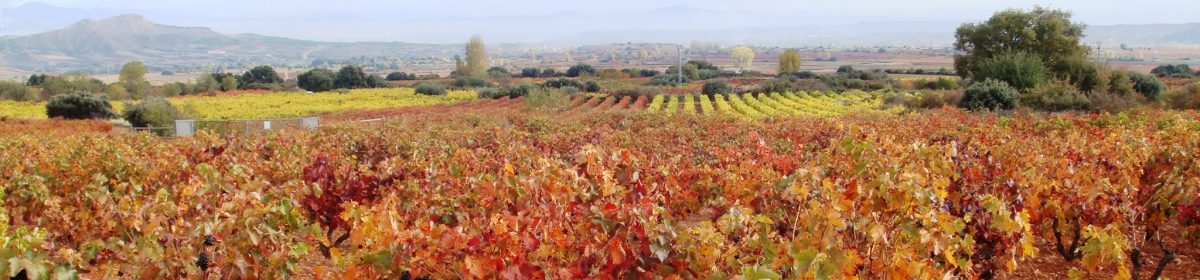
The tranquillity of the grounds and, out of wine-making season, the hushed atmosphere of the finca as well as the perfectly tended vineyards that surround the property would seduce any investor into the life of a country wine-maker.


Behind the scenes however it’s a different matter as my friend Felix Martinez will tell you – if he can find the time! The family estate and wine-making enterprise was handed to Felix some years ago, in a delightfully bucolic state. Well that’s the romantic version of the story. The fact is that Felix and those working with him have seen blood, sweat and tears equally measured with the smiles of delight and the honour and plaudits of success that have been a part of the renaissance of this top DO Utiel-Requena bodega.


The continuing hard work plus the stress of the ups and downs of such a business have paid off, however, as I’m delighted to report that from the coming August Bodegas Vera de Estanas will officially be elevated to the higher status of Vinos de Pago (D.O.P.). This is a status given to wineries “on the grounds of unique micro-climatic features and proven evidence of consistent high quality over the years, with the goal to produce wines of sheer singularity.”


I first met Felix several years ago when he invited me to his estate to taste the wines. Although I’ve not be available to visit as often as I would have liked,  I’ve certainly been a consistent consumer of his wines whenever I’ve seen them. I remember, for   example, the planting of the skinny fledgling vines that are now responsible for some of the best Malbec in Spain! And I’ve seen his portfolio of wines expand and gain medals in national and international wine competitions!


I’m currently researching an article (watch this space) on the fascinating native variety Bobal and needed some of the best examples for tasting. I knew that one of them would be Felix’s Casa Don Ángel 100% Bobal before I consulted Guía Proensa and Guía Peñin, so I e-mailed for a sample bottle.


In fact it came with two other wines – the super aforementioned Malbec, as well as his Martinez Bermell Merlot 2012 Fermentado en Barrica.


The latter wine is one of a style that I particularly favour. A wine that has been fermented in barrel and then left in situ to age a little longer often has flavour distinct from those that have been fermented in stainless steel and then placed in barrel. The oak influence is almost symbiotic, it’s there, but subtly so.


New oak was used for the Martinez Bermell Merlot, which adds depth and some complexity making this young lush, fruit driven, deeply coloured wine one for enjoying on its own with friends and family, as well as with a meat, light and darker meats. You’ll find a touch of stony minerality and faint earthy aroma along with herbs to complement the pronounced plum and damson fruit and a slight lick of vanilla.


Casa Don Ángel Malbec 7 – 8, has a note on the label telling us that it is a Vino de Finca, Expresión de Terruña. A brief look at the back label will reveal that this is not a DO Utiel-Requena wine, but a Vino de la Mesa, a table wine! Regular readers will not be discouraged by such information.


Once considered to be the sign of an also-ran wine, the epithet ‘Vino de la Mesa’, these days, can be an entirely different animal – as it certainly is here! A wine produced within a DO area, that does not comply with the DO rules, cannot be given the DO seal of approval, and must be called instead, a ‘table wine’. A wine-maker who wants to stamp his personality on his creation will risk his wine being ostracised as he is confident that, rules or no rules, the wine is real quality!


My guess is that it is the ‘7 – 8’ on the label here that is the sticking point; and that the 7 – 8 means that this wine is a blend of wines made from the 2007 and 2008 vintages, which will probably be contrary to the DO Rules.


Well don’t worry about it! The wine is excellent, the best Spanish Malbec I’ve tasted! It has depth and complexity, bags of fruit, power combined with elegance and is a riot of aromas and flavours. Buy it by the case (www.estenas.es), it’s drinking perfectly now and has the necessary attributes to age still!


And the 100% Bobal? Well, you’ll have to wait until the ‘Great Bobal Taste-Off’ article – coming soon!


Contact Colin: colin@colinharknessonwine.com and through www.colinharknessonwine.com and Twitter @colinonwine

Bodegas Hispano Suizas

BODEGAS HISPANO SUIZAS

DO UTIEL-REQUENA & DO CAVA

When asked for a sample of their high scoring 100% Bobal red wine, Bobos, Bodegas Hispano Suizas replied that they were happy to also send other wines – and I’m not surprised, they can’t be anything other than delighted with their efforts. These elite wines are outstanding and I’d love to try their full portfolio – given the chance, hint, hint!


Located in the Utiel/Requena area, their still wines are made under the auspices of DO Utiel-Requena, but an added advantage here is that this area is also one of the official cava-making zones of Spain. (As many will know, the DO Cava is one of the very few that is not restricted to just one geographical area).


Bodegas Hispano Suizas’ Cavas are up there with the best from Cataluña and anywhere else where Spain’s coveted answer to Champagne is crafted.


Tantum Ergo Brut Nature is in fact made with the Champagne grapes Chardonnay and Pinot Noir and it bubbles, rather than oozes, sheer class! It’s no wonder, as the wine at every stage is handled with kid gloves with a view to producing the best possible cava.


Grapes from the perfectly sited vineyard are harvested only in the early hours of the morning. The Chardonnay grapes are macerated at -10ºC for twenty-four hours and then gently pressed. Gravity ensures that the pulp drops to the bottom of the stainless steel deposits and then only the clear must is bled off and into the 400 litre American oak barrels where it ferments, and is then left on its lees.


On arrival at the bodega the Pinot Noir is very gently pressed to ensure that it’s just the juice and not the colour that is extracted. It then is also fermented in oak with its lees.


The blend is made and the still wine is bottled with the addition of the yeast for the 2nd fermentation to produce those wonderful, fine bubbles. The wine and lees remain together deep in the cellars for another 22 months until manual disgorgement.

Typical, pleasing sparkling-wine patisserie notes are aided and abetted by faint white flower aromas, a slight vanilla note with a creamy mouthfeel and long finish. Elegance plus depth. Excellent!


Tantum Ergo Pinot Noir is their rosado cava – and it is similarly super, and gentlemen you must make a not of this for next Valentines Day, you’ll be onto a winner for sure!


This elegant, beautifully coloured sparkler is the personification of finesse – if you are thinking of proposing, do it with this! And, while you’ll both enjoy the romance, you’ll enjoy the wine too – everyone’s a winner!


Tantum Ergo Pinot Noir Brut Nature Rosé is made with 100% Pinot coming from low yielding vines. Once the early morning harvest is completed the grapes are swiftly taken to the bodega where they are again kept at -10ºC. The grapes undergo a two hour maceration period where flavours and some, but not too much, colour are extracted. Fermentation occurs in new American oak and the wine is then left with its lees for further development and, ultimately, a certain creaminess in the finished product.


The second fermentation occurs in bottle with the addition of yeast, but no sugar, remember this is Brut Nature, the driest style of sparkling wine. After 15 months’  resting on its lees, disgorgement is again performed by hand – and the cava is ready for the market. However – don’t hang about, cavas of this class sell quickly!


Raspberry and loganberry notes with some toasty vanilla and, despite its elegance, a good depth of flavour and some power too. By all means drink this as an aperitif, as such it’s excellent, but consider it to also be a food wine. Fish in sauces, light meats, rice dishes – it’s a winner!


Bassus Premium is a rich red, speaking of ripe Bobal, Petit Verdot, Cabernet Franc, Merlot and Syrah grapes picked at their optimum ripeness, as well as of the soils in which the old vines grow. There’s an abundance of juicy blackberry and dark cherry fruit with black pepper spice, some bay leaf aromas, vanilla and faint coffee, all kept together with a keen acidity and maturing tannins. It’s one heck of mouthful!


After cold storage, again at -10ºC the grapes are placed in topless American Oak Barrels which have a stainless steel radiator inside to keep the four day maceration at the required 8ºC.


Everyday the ‘sombrero’, the cap of grape skins, is manually submerged for greater extraction and once fermentation begins the temperature is allowed to naturally reach perhaps 26ºC. The grapes are then gently pressed to finish fermentation and once fully fermented the resulting richly coloured and highly flavoured wine is then aged for a further 20 months in American and French oak. You’ll love it!


And that Bobus, the 100% Bobal? Well it will figure strongly soon in my forthcoming discourse on the Bobal variety – don’t miss it, or the wine!


Contact Colin: colin@colinharknessonwine.com and through his unique wine services website www.colinharknessonwine.com and Twitter @colinonwine

BODEGAS MUSTIGUILLO

MUSTIGUILLO VIÑEDOS Y BODEGA

PAGO EL TERRERAZO

mustiguillo feb 2014 034

This winter 2013/2014 has been the mildest I can remember – indeed, using the word ‘winter’ seems risible! The odd ‘cold’ day that we’ve had on the Costas has seen temperatures fall perhaps to 7ºC, but they’ve been few and far between. Therefore the 3ºC cold that hit me when I left the car, whipped even lower by a biting wind, caused a sharp intake of breath, before I was led into the grand, heated, interview room of Mustiguillo Viñedos y Bodega.


An e-mail requesting a sample of their outstanding 100% Bobal red wine led to an invitation to visit the bodega to taste in situ and the get to the heart of this quite new (established 1990) bodega which has taken the wine world by storm. The Peñin Guide gives their top wine 96 out of 100 and the USA’s respected Robert Parker follows suit; and at 94 points their white wine is the highest scoring Spanish Mediterranean white!


My guide was founder Toni who took me around the impressive stone buildings which have been added to the country house original. It’s a large and ongoing project. White wines are deliberately produced in a separate building from the reds, and each area is kept spotlessly clean.


Large French oak Foudres of 35, 50 and 80 hectolitres capacity are used to ferment those grapes which pass muster following a rigorous selection from vineyards that are harvested only according to when the grapes are perfectly mature. Vineyards and parts of vineyards that have differing aspects to the sun are, quite sensibly, harvested manually, at different times. Harvesting their own 80 hectares can thus take a few weeks.


There are no pumps at Mustiguillo – all wine movement is done my gravity, with the ‘sombrero’, the cap of grape skins that forms above the juice, being regularly pushed down by hand for maximum extraction of colour, tannin and flavour. Temperature controlled fermentation takes typically 13 – 25 days.


The resulting, organic wines which have undergone this exhaustive process pay tribute to the philosophy of the owners. Their aim is to produce the best expression of the natural resources at their disposal. The grapes of course, but also the terrain and the climate – in short the terroir. It’s a resounding success!


I was enamoured by Finca Calvestra 2012, their plaudit winning white wine, made almost unbelievably from the hitherto largely characterless indigenous variety, Merseguera. The secret – well the 25+ years old vines (just wait until they attain a greater age – their wines will be spectacular!) struggle against harsh conditions on the highest altitude vineyards.


At 900 metres above sea level the difference between night and day time temperatures on the exposed site adds a bracing acidity to the wine whilst the sunshine ripens the grapes bringing out all the natural flavour that can be had from this variety. Following its barrel fermentation and a short ageing on its lees you’ll find white flowers, under-ripe pineapple, some citrus notes and an alluring distant Acacia honey aroma – though the wine is perfectly dry.


The enigmatically labelled Mestizaje 2012 is what could be called their ‘entry level’ wine – but what an entry. The wine has a different make-up every year, according, as it should be, to the harvest. There’s normally 65% – 85%  Bobal, the captivating indigenous variety, blended with perhaps Garnacha, Syrah, Tempranillo, Cabernet and Merlot. There is no attempt to make a homogeneous Mestijaze – all will depend on how each variety has ripened at each harvest.


There’s good fruit, dark cherries, the Bobal calling card, but with blackberry and blackcurrant too – with some spice and maybe a dash of minerality. It’s 2012 and so still young but you don’t need to be a very experienced taster to tell that whilst it’s tasting well now, it will develop and improve over the next five years.


Some experience is needed, I would say, when tasting the next two wines – the two flagships of the bodega, firstly Finca Terrerazo and finally the exceedingly highly rated, Quincha Corral. Both are from the 2011 vintage and substantial wines such as these need some time to mellow into the wonderful examples that they will eventually become.


Masters of Wine (don’t worry, you don’t have to be one to appreciate these wines!!) are highly prized for their ability to taste ‘en primeur’, amongst other skills. This is where the season’s new Bordeaux wines which are still maturing, way before they’ll be bottled and sold, are tasted to determine just how good they will be when that time comes. It’s a great skill.


The Mustiguillo 2011 wines are nothing like that early in their development. Indeed the Finca Terrerazo has just been bottled and will soon be on the market, however both will develop dramatically over time. It has an abundance of dark cherry fruit coming from the 100% 40 years old Bobal vines, with an appealing black pepper spiciness. 20 months in French oak have subtly added depth and complexity with a little black chocolate bitterness and some tobacco. It’s quite a big wine with tannin and acidity to tame and yet it has a lovely initial soft mouthfeel and haunting elegance.


Quincha Corral has all the above, but more so! It’s powerful, yet subtle and elegant. It has rich fruit emanating from the Bobal vines which were planted in 1945 on the bodega’s most prized vineyard. Black cherry fruit, and bags of it, with fully integrated tobacco and coconut oak notes. It’s rich, full and rounded – concentrated and structured in a way that will see the wine unwind over the next five years to be drinking perfectly for a further five years and more.

mustiguillo feb 2014 011

Contact Colin: colin@colinharknessonwine.com and through www.colinharknessonwine.com and Twitter @colinonwine

Bodegas Lahoz, DO La Mancha

BODEGAS LAHOZ

DO LA MANCHA

In an area as vast as DO La Mancha, easily Spain’s largest wine producing area, you’d expect to find wines across the quality spectrum, from entry level to those of fine wine status. You’d also expect to find large and indeed huge wineries producing wines across that spectrum, as well as boutique wineries, perhaps with visionary maverick winemakers keen on experimentation.


Well La Mancha, located south of Madrid and sprawling towards Utiel to the East, Badajoz to the West and Valdepeñas, and beyond to the South, has it all. There are still wineries making bulk wines for sale to those countries not so well blessed with sunshine (I wonder if there is/will be a slight decline in this business as global warming enfranchises more northerly countries in the wine making world?). However the less than complimentary ‘bulk wine’ tag which so often in the past dismissed any fine wine thoughts re La Mancha, is now exactly that, in the past.


I received a raft of wines from Bodegas Lahoz and I’ve been pleasantly sipping my way through them for several weeks now. Their flagship wine, Abad de Soto, is in fact a Vino de la Tierra de Castilla wine, rather than DO La Mancha.


Regular readers will know that the olden days (even as recently as just 10 years ago) where the cream of wines were firmly sealed with a Denominación de Origen label and all others were, by degrees, less fine, are now well and truly buried. VdlT wines are up there with the best – and Abad de Soto is one of them.

Flagship wine from Bodegas Lahoz


Made with Tempranillo, the most planted variety in the area, the wine is made from fruit emanating from the best vineyards, where some altitude gives respite from the furnace-like daytime temperatures and all-day sunshine. There are dark cherries and bramble fruit on the nose, understated cinnamon and smoky notes with a lick of tar on the long finish. Elegant too.


The Recata range is also VdlT. Unfortunately the Sauvignon Blanc Fermented in Barrica was oxidised – which was a shame, though no fault of the winery of course. I like Sauvignon anyway, but when it has had some oak in its nurturing it takes on different aroma and flavour nuances.


LAHOZ recato---tempranillo0The Recata 2007 Tempranillo is alive and well, owing to its quite rich fruit as well as nine months in oak. There are darker fruits as above here but some loganberry lightness too. It’s juicy with a medium finish.


Vegacorcoles Tempranillo Roble is another syle of wine I like. Yes, it’s had time in oak, but less than for a crianza or reserva. Therefore it’s the fruit that is to the fore, and there’s bags of it in this wine. Juicy, tangy with a medium finish it’s a lovely wine to simply enjoy and to have with meat orientated tapas – chorizo sausages for example.


Of course the white wine darling grape variety of DO La Mancha is Airén, she (previously) of too late harvesting, bulk dross etc. Nowadays a very different animal. Picked in August when the sunshine has ripened the grapes but not yet stripped it of its acidity, Airén can offer not just welcome freshness but charming fruit too.


A pleasing citrus acidity was noted when Vegacorcoles Airén 2012 was fist opened. Twenty four hours later there were fresh pear notes and a distant Golden Delicious apple note too! I really enjoyed it.


From the same range their Tempranillo (what else?!) rosado was a lovely soft red fruit mouthful with enough depth to take on some light meats and certainly rice dishes. Paella of course, but also others, for example Arroz A Banda, Arroz Caldoso, Puchero, perhaps less famous though nonetheless fully flavoured. The rosado can take all this, as well as being a super sipping wine too.


Vegacorcoles 2012 Tempranillo Joven has all the fresh ripe strawberry fruit one would expect from a Tempranillo unfettered by oak. A wine to enjoy by the mouthful whilst chatting with friends and while eating grilled meats, as well as the rice dishes above.


PS Two seats left on our wine orientated Short Break to Granada/Jerez/Seville – please call 00 34 629 388 159!


Contact Colin: colin@colinharknessonwine.com and through the unique www.colinharknessonwine.com as well as Twitter  @colinonwine