Cork Talk Review of 2015

. . . a new annual feature which allows me to go back over 2015 and pick out the highlights of my year in wine . . .

THE CORK TALK WINE YEAR 2015


Regular readers (thank you so much, you are really appreciated!) will know that I was dreading last week’s article. The Costa News Top Ten Wines of the Year is always a difficult one to write – there are only so many places available (10, actually!), but so many wines that should be similarly honoured.


Well, I’m also in a state of trepidation about this week’s article, a new annual feature which allows me to go back over 2015 and pick out the highlights of my year in wine. It is of course a year in which you have shared, albeit indirectly, and I wonder if any of the following were Cork Talk highlights for you too?


“January, cold, desolate,” – did you have to learn that poem at school too? Anyway, it was accurate when I arrived at Stansted the day before the Liberty Wines Annual Portfolio Tasting. The grass crunched as I walked to the hotel, whose approaches had been salted to keep the ice at bay, as well as possible litigation from injured guests!


In an effort to maintain a decent cash flow during the quiet months many sporting venues open their doors to all sorts of events these days and so I was delighted to visit The Oval Cricket Ground for the first time and, whilst I would have loved to have seen a game of top class cricket there on the hallowed, immaculately tailored, almost dazzlingly green square, it was the interior to which I was directed.

The Oval - Home of Cricket, but also the Liberty Portfolio Tasting 2015.
The Oval – Home of Cricket, but also the Liberty Portfolio Tasting 2015.

Put simply, this Liberty Wines tasting is excellent. Liberty is a major player in wine distribution in the UK, therefore there is an extensive range of wines to taste as their portfolio is so large. In truth they aren’t so strong on Spanish wines, but in fact I was there to taste international wines, and translate for my friend Mariano, Head Winemaker at Bodegas Castaño. We both learned about wine from a host of different countries and I learned so much from him too! My Cork Talk Year had a good start!


February (I can’t remember any more of the poem, but it certainly wouldn’t have been accurate for here in Spain!) saw me in Murica for a few days, judging the wines of DO Bullas as a co-opted member of the Consejo Regulador’s panel for their annual wine competition.

BULLAS DO LOGO vino-do-murcia-bullas

As a regular on the judges panel of DO Yecla’s annual wine competition I knew what to expect in terms of the wines and my fellow judges, several of whom I knew from other sessions. Sharing similar terrain and climate as well as, of course, the well loved grape variety, Monastrell, I was sure I was in  for an excellent tasting. I was right – there are some fabulous wines coming out of DO Bullas right now. Look for Bodegas Monastrell, Lavia and Rosario, for a start – and then carry on researching!
LAVIA BODEGA  DO BULLAS

March saw me on the road again – this time with a group, visiting Segovia and Toro, the latter, for what I have to describe as the best wine tour I’ve ever had. Readers may remember my waxing lyrical about the tasting, tour, lunch and tapas route that began in the early hours at Bodegas Fariña’s icy vineyards and ended, at about midnight, in the final tapas bar of the night, in the historical and bucolic town of Toro.

FIZZ; TORO ETC; ROSANNA 030

Our guide, Nicola, who is actually the Export Director of the company, had arranged her packed diary around our visit, putting off journeys to China, Korea, Japan et cetera to make sure that we had the full Fariña experience was really excellent. She even included a visit, just for us, to the underground hideaway cellar where Columbus tasted the wines before buying to stock his famous journey of discovery! Fantastic!

FIZZ; TORO ETC; ROSANNA 044

I’m not sure how many different forms of transport I used in April – several, for sure, as I was in Guildford, UK, first, for the annual International Wines and Spirit Competition, as well as Ciudad Real, for my first visit to the large Spanish Wine Fair, Fenavin.


The IWSC first – I love this competition! Having taken an introductory course and sat and passed an initiation exam, I was asked to sit on the Spanish Wine panel for the first time, about five years ago. Since then I’m delighted to say that I’ve become a regular, as well as being appointed the IWSC Agent for Spain.

Judge BadgeSmall

The judging rooms are perfectly fit for purpose and full of eminent judges, several of whom  are Masters of Wine, of whom there are fewer than 350 in the world! The standard of the judges is high, to say the least, so it’s an honour to be with them, and indeed flattering to often be deferred to about current Spanish wine trends, traditional grape varieties etc, during the judging.


This year saw a very large entry, 952 wines in fact, a 20% increase on the previous year, which itself was a 16% increase on the 2013 entry! There were many medals awarded, including 6 Gold Outstanding, the highest award possible, equalling the total of last year. I’ll be there in 2016 – and can’t wait!


Fenavin, was a new and exciting experience for me. Ciudad Real, as the name implies, used to be a centre for the Royal Family in centuries gone by. Though some of the ancient architecture survives, including the cathedral, it’s now a really modern, quite vibrant, small city – with an Ave connection, of which I took advantage, for another first!

FENAVIN + 003

Just out of town is the Feria Centre where all manner of trade fairs are held throughout the year – including the Fenavin Spanish Wine Fair, which celebrates Spanish wine, bringing together the press, the buyers and sellers and the winemakers. Thousands of wines are presented, tasted and hopefully bought, both nationally and internationally. The packed aisles are like the Tower of Babel in that the number of different languages being talked is mind-blowing!


In May, two days before my knee replacement operation (which wasn’t a highlight of my year!), we held the Bodegas Castaño Dinner, where Daniel Castaño and his family came to the Swiss Hotel, Moraira to co-present (with me) five of his top wines, which were relished when paired with a sumptuous five course dinner and the fabulous Dolce Divas duo (www.dolcedivas.net).

The Castaño Dinner at Swiss Hotel Moraira.

The concept of pairing wines with similar characteristics found in food and music was refreshingly new to Daniel who was really taken with the idea. So much so that he invited Dolce Divas back to do the whole thing again in the restaurant that his bodega, this time with a mostly Spanish full house of like-minded people! Another great success, and highlight for me!

CHAMPAGNE 2015 007

And briefly: My visit to Champagne as a member of the Champagne Bureau UK’s press trip in celebration of Champagne’s elevation to World Heritage Site status, was amazing! Our five day visit to Rioja staying in the wonderfully original, modern Finca de Los Arandinos and having two fantastic visits, one to Marqués de Murrieta, the oldest Bodega in La Rioja; and the other to Bodegas Muga, whose lunch with their super wines, was legendary! The Cava Dinner in Moraira where I was once again asked by the President of the Consejo Regulador, DO Cava, to present different styles of Cava to accompany a four course dinner.

dalmau-2011-nueva LA RIOJA 2015 069

And finally the Telitec Tasting Tour with joint sponsors Blu Property Group, a novel idea of tastings held in venues along the Costa Blanca, the final two of which, at Nox, Javea; and Republic, Denia, were superb!
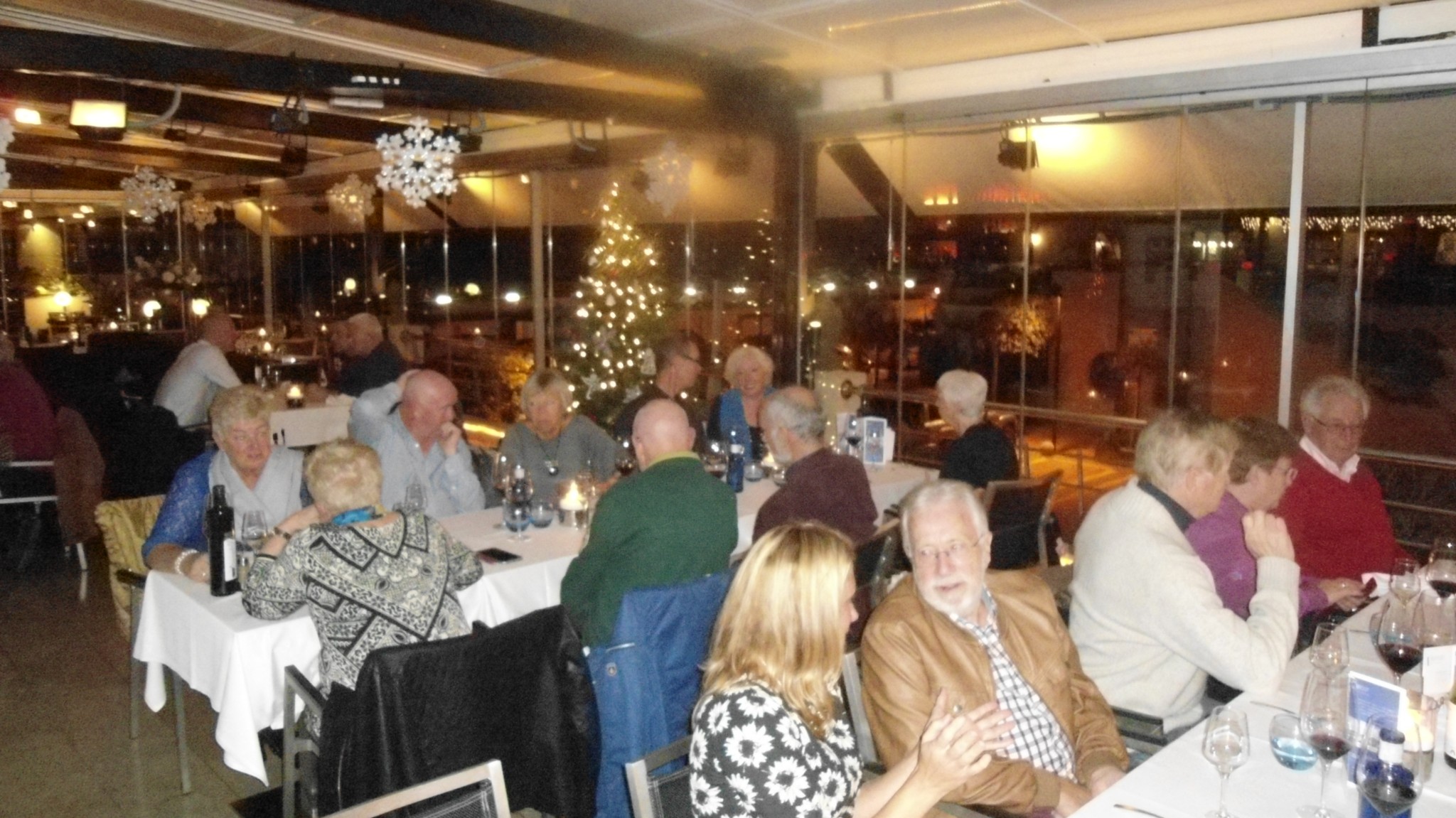
Denia's excellent Restaurante Republic!
Denia’s excellent Restaurante Republic!
A superb evening of fine wine & cava pairing with gourmet tapas at Javea's Nox Restaurant!
A superb evening of fine wine & cava pairing with gourmet tapas at Javea’s Nox Restaurant!

Happy New Year!


Contact Colin: colin@colinharknessonwine.com Facebook Colin Harkness Twitter @colinonwine www.colinharknessonwine.com

Costa News Article – Cava Dinner!

I was interested to note that mention of the ‘P’ word brought about unsolicited boos, where many a true boo is booed in jest, to paraphrase the Bard . . .

IN DEFENCE OF THE ‘C’ WORD!


It would appear, from the response received last night at the fully subscribed Cava Dinner, Moraira, that cava is the preferred fizz here in Spain!


I was interested to note that mention of the ‘P’ word brought about unsolicited boos, where many a true boo is booed in jest, to paraphrase the Bard, whom, I’m certain would also have been a great fan of cava, had it been around in his day!


I’m sure that even those of a delicate nature who’ve led a sheltered life will already have realised that the eponymous ‘C’ word, is of course Cava; and the ‘P’ word (boo!) is Prosecco. Readers may remember an article or two referring to the tsunami of Prosecco which has, inexplicably as I see it, been threatening to drown the whole of the British Isles – sadly leading to a loss of market share for cava makers.


I say ‘inexplicable’, but in fact it’s quite simple. People generally, and of course consumers in the UK, like sparkling wine – it fizzes with celebration. Champagne, well it’s mostly too expensive, cava is a possibility, but when there is an alternative to both of these noble drinks, which is less expensive, you know what most will decide. Plus, as the vast majority of Prosecco sold in the UK is of the lesser quality as well as being on the sweet side of Brut, pandering to the taste buds of lots, apparently, the Italian alternative is going to sell.


Last night’s event, sponsored as a promotional activity by the Consejo Regulador of D.O Cava, showed that the vast majority of ex-pats (and not just British ex-pats) living in Spain show warming solidarity with those who craft cava. Cava rocks – and not just as a celebratory drink. This was the mantra of the evening – let me explain!

Unsurprisingly, a full house for the DO Cava Consejo Regulador sponsored Cava Dinner!


If there’s something to celebrate we immediately reach for the cava – an anniversary, a birthday, a wedding, a birth, exam success, moving house, you name it. Also, in my case, a funeral – when mine comes along I’d like it celebrated with lots of popping cava corks, please! And that’s quite right – we use cava to celebrate. However, there are different styles of cava, which retain the celebration element, whilst adding to the mix.


Judging by a straw poll taken last night, most of us buy Brut Cava for celebrations as well as for aperitifs – smoked salmon and Brut Cava is an oft used and enjoyed pairing. So the concept of matching cava with food is certainly not unknown. However, the good news to most last night was that the different styles of cava can also be matched with different courses, in fact to run concurrently throughout a whole 4-course dinner.


The Swiss Hotel, Moraira, having performed so well at the equivalent dinner last year, was the venue again and each savoury dish was matched with different types of cava, to almost unanimous acclaim. Who’d have thought that a young Brut Cava would pair delightfully with a gently curried amuse bouche soup, one of the Head Chef’s imaginative aperitivos? But it did.


With 12 months on ‘en rima’ (on its lees – the dead yeast, often referred to as  sediment), this Brut Joven (young) cava has had three extra months to the minimum 9 months to broaden its taste and weight profile. The result is a cava that does what we expect from sparkling wine – and some!


Our next cava, a Brut again, was a rosado which has had 15 months en rima. The refreshing acidity is still present, and needed, to cut through the oily texture of the smoked salmon salad starter with which it was served. There is a very slight element of sweetness to this rosé cava, which worked well with the salad’s dressing. The Trepat, Monastrell and Garnacha varieties used to make this wine provided us with a red fruit nose and flavour.

Rosado Cava Brut always works well with salmon!

Up to a point, I always like to consider colours when matching wine with food – finding colours in the wine that match those of the food on the plate, as well as flavour and aroma characteristics, makes for a better marriage, in my opinion. The lightly marinated salmon was similar in colour the paler style of rosé – it worked!


Our third cava was, like the first, a blend of the three traditional white cava varieties – Macabeo, Parellada and Xarel.lo, though in different proportions. The 50% Macabeo is there to help re the longevity of the wine. A reserva has to have had a minimum of 15 months ‘en rima’ – this, like the two previous cavas has enjoyed more than the minimum – in fact 17 months.


The wine has depth and extra weight in the mouth, though the Parellada, ensures the elegance that we love in sparkling wine, and the Macabeo provides the crucial freshness. Served with a precisely cooked, slightly salted cod fillet I thought the match was excellent. The fruit delivery of the cava, not something we often notice in sparklers, unless trained to look for it, matched the saltiness of the fish and the tapenade with which it was served.


Diners were asked to hold the cava on their palates a little to ‘feel’ it and to let it develop in their mouths whilst it warms slightly – to the astonishment of several, this really allowed the cava to open out and give so much more.


Now, if I’ve been talking thus far about how these cavas have exceeded the minimum period ‘en rima’, as I have, our final cava of the night, did even more in this respect. The minimum amount of time that a Gran Reserva cava must spend on its lees is 36 months, three years! However the flagship Gran Reserva style of the Consejo Regulador DO Cava has had 46 months, that’s nearly four years silently waiting in the cellars, developing different nuances and extra body. And this is why it’s not audacious to match such a cava with meat!


And the meat chosen in this case? Well, perfectly cooked lamb, served with port poached pears, and for me, it really worked.


I like to think, and this is supported by comments made during the night, that the point was made – cava fits celebrations, but it also works wonderfully as a wine to be served with various different dishes, providing you choose the correct style. Several diners last night commented that they would now seek not just a Brut cava, but a Brut (or indeed a Brut Nature, as was the last cava) according to the dish with which it will be served – that is young cava, a Reserva or a Gran Reserva!


Mission accomplished!


Contact Colin: colin@colinharknessonwine.com ; www.colinharknessonwine.com and via Twitter @colinonwine and Facebook – search Colin Harkness

Top Ten Spanish Wines tasted in 2015

I’ve been dreading this article . . . .

THE COSTA NEWS TOP TEN!

THE TEN BEST SPANISH WINES TASTED IN 2015

I’ve been dreading this article!

I started this ‘name and praise’ tradition several years ago. Reader interest and indeed bodega interest has gathered pace over the years, leaving me in a unnerving invidious position. I have to keep the Top Ten Wines tasted for Cork Talk during 2015, to exactly that – just ten.


Each year the task becomes more difficult and more intense. I’m talking serious wine stress here! The ‘problem’, as Cork Talk readers will know only too well, is that the standard of Spanish wines is excellent, with many taking their rightful place on the podiums of International Wine Competitions – comparable with the world’s best wines!


And I have to choose just ten! Inevitably some truly excellent wines will have to be left out! Wine woe, is me!


In reverse order:


No. 10 Bodegas Bertomiz, Ariyanas Dulce Terruño Pizarroso Dessert Wine

A sublme wine. 100% Moscatel with some oak ageing, in fact 8 months in new French barrels. Even the colour is rich, it’s bronze/gold hued, the colour of honey – and on the nose you’ll find honey, as well as some orange peel spritz, with a touch of minerality too, coming from the slate strewn vineyard. Look also for the dried fruit you might add to Christmas cake!

Romé

No. 9 Bodegas Can Rafols dels Caus, Gran Caus Rosado

It’s no idle claim to say that this is probably the best rosado in Spain! It’s the first time that a rosé wine has made the Top Ten which in itself is indicative of just how good is this 100% Merlot wine. Bucking the current trend, this wine is darkly coloured with the grape skins also having time to impart their aromas and flavours.


No. 8 Bodegas Muga, Selección Especial

I’ve been giving my conscience a dreadful time here – was it the occasion, when we tasted this wine in situ with a wonderful lunch, that has led me to position here in the Top Ten? I’ve decided no – I am being impartial, it’s a gorgeous wine! Tempranillo, Garnacha, Mazuelo & Graciano are in the mix and the result is a glorious up-front fruited Rioja of ex cellence!


No. 7 Bodegas Luzón, Alma de Luzón

Alma de Luzón, the Soul of Luzón, is the flagship wine of this DO Jumilla bodega, and understandably so, as it speaks of the soil in which its elderly Cabernet Sauvignon, Monastrell and Syrah vines have been growing. The wine will give you some sweet cedar and vanilla with a little coconut and coffee, though it’s the dark blackberry, blackcurrant and picota cherries that you’ll first encounter, a fruit compote that will remain with you from first hit – elegant too!

luzon alma01

No. 6 Bodegas Castaño, Casa de la Cera

With Monastrell at its heart (50%) and Garnacha Tintorera, Syrah, Cabernet Sauvignon and Merlot in support, you’d be correct in expecting a lovely dark fruit compote on the nose and palate. Add to this impressive start, some judicial oak ageing and you’ll find an elegance to complement the power of the wine, with complexity and length.


No. 5 Bodega Monastrell, Valché

Nineteen months in new French oak 500 litre barricas have added an extra dimension of depth and complexity to this full and rich red wine. There are a few real star bodegas in DO Bullas, and this multi-award winner is the leader of the pack. As the name of the bodega suggests, this is made with 100% Monastrell and it will fill your senses with fragrance and flavour. The first time Bullas has figured in the Top Ten!


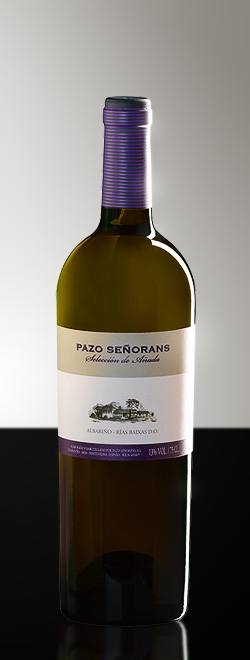
No. 4 Bodegas Pazo de Señorans, Selección Añada 2007

Albariño and, yes, that’s the 2007 vintage, which readers may think gives a lie to my claim that most Spanish white wine should be drunk young! However, note the ‘most’ – there are exceptions. The wine is fermented in stainless steel, but then kept for 30 months in a temperature controlled tank with its lees in situ. Whilst enjoying the white peach and flower aromas (magnolia for me, perhaps jasmine too?) you may also note a creamy feel and flavour though it remains fresh and clean. Top white!

pazo seleccion

No. 3 Bodegas Aalto, Aalto PS 2011

A glorious, quite exceptional wine whose rich, voluptuous ripe fruit flavour is also steeped in elegance. It’s full of concentrated black fruit on the nose and the palate with a forest undergrowth foundation, helped, but certainly not overwhelmed, by its 22 months in barrel, which adds complexity and depth to the mix. Drinking brilliantly now, and with time on its side too!

aaltops-2011

No. 2 Bodegas Mauro, Mauro VS 2011

A quite remarkable Tinto Fino VdlT wine! The moment the cork was pulled the most alluring aromas assailed the nose, in the nicest possible way! Over 30 months in oak has added depth of flavour, complexity and a wonderful, rich unctuousness, with the wood never being allowed to overtake the quintessential fruit delivery. You’ll find richly flavoured red fruits, loganberry for example, with some picota cherries as well as an earthy character with more than a hint of bay leaf.  A superb wine!

A formidable line-up of outstanding Spanish Red Wines!


No. 1. Bodegas Marqués de Murrieta, Dalmau

Dalmau, the best Spanish wine I’ve tasted this year, can be described as the definitive modern style of Rioja! It’s an exceptionally good, deeply flavoured and many textured, complex wine which has had just two years in oak and one in bottle. It’s made with Tempranillo and Graciano grapes from a single vineyard whose vines can count 86 growing seasons, as well as Cabernet Sauvignon of similar age! Stunning, and incidentally the best match I have yet found for the extremely strong blue cheese, Cabrales!


So, my congratulations to all the bodegas above and of course my commiserations to the many deserving wines that I just couldn’t manage to include!


Merry Christmas!


Contact Colin: colin@colinharknessonwine.com Twitter @colinonwine Facebook search Colin Harkness and through his unique website www.colinharknessonwine.com

Recommended Wines For Christmas Day

it’s been very difficult to decide upon the wines I’d like to recommend for your Christmas dinner this year

CHRISTMAS 2015 – THE WINES!


Firstly, relax – at this time of year, if you can’t find the following wines at your local wine shops, most Spanish wineries are geared up to dispatching orders to arrive within a couple of days. Christmas 2015 is saved!


Like the Top Ten wines of the year (article soon), it’s been very difficult to decide upon the wines I’d like to recommend for your Christmas dinner this year. Indeed, for each of the following wines there are two or three that could easily have taken their place .


As the aperitif, amuse bouche wine, I’ve chosen a sparkler. If we can’t have a celebratory drink at Christmas, then when can we?!


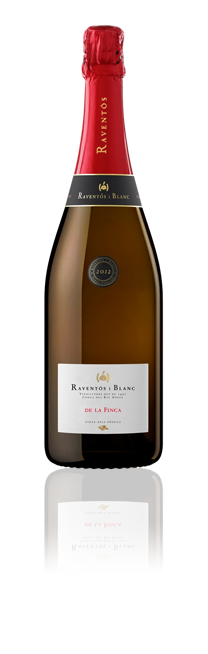
It’s a while since I wrote about the Sparkling Wines coming from Bodegas Raventós i Blanc. In fact the present incumbent, Pepe Raventós, is a direct descendant of the man who started the Brut Ball rolling, the founder of the sparkling wine multi-million Euro industry in Spain. (Later to be officially called ‘Cava’.)


Raventos i Blanc’s wax sealed, paper bag enclosed ‘De La Finca’ Spanish Sparkling Wine is excellent! It is not intending to be compared to a fine Champagne, but one cannot help the comparison. Nor does it want to compete with France’s illustrious sparkler, but nevertheless the taster will automatically consider which he/she thinks the better! It’s that good!

RAVENTOS de_la_finca_2012

The three traditional varieties: Xarel.lo, Macabeo and Parellada are all employed with the added crucial element of 36 months ‘en rima’ (remaining in bottle after the second fermentation with its lees) from which it draws extra depth of flavour, increased complexity, weight and elegance.


You’ll find some blanched almond notes to go along with the brioche (told you there were Champagne comparisons to be made!), a white flower fragrance, a slight, bone-dry stewed apple note which accompanies the freshly sliced apple acidity and perhaps a faint reference to white stoned fruit. The length is enduring and although the wine has that raison d’etre celebratory freshness it also has sufficient depth to accompany a range of foods, including white meats! (www.raventos.com)


For white wine I’m recommending Pazo de Señorans Selección de Añada 2007 (Guía Proensa 96 points out of 100!) this Christmas. Yes, that’s the 2007 vintage, which readers may think gives a lie to my claim that most Spanish white wine should be drunk young! However, note the ‘most’ – there are exceptions.

pazo seleccion

White wines that have dallied with oak at some time, will last longer, for example. However, Selección de Añada has not had any time on barrel! No, the method used for this wine is another, though expensive (because of the amount of time involved where the wine has to be kept, costing, but not yet bringing in any revenue) way of ensuring extra longevity.


The wine is fermented in stainless steel, but then kept for 30 months in a temperature controlled tank with its lees (the dead yeast particles) in situ. At regular intervals the wine has been stirred so that, rather than having the sediment drop nicely to the bottom of the tank, thus clarifying the wine above, here it is repeatedly made cloudy!


We wouldn’t want such wine in our glass, but of course by the time that this wine is bottled it has been allowed to clarify naturally. Then when finally poured into our glasses (in this case 8 years later!) it is of course perfectly clear and bright. This regular stirring is deliberate of course – it enables the wine to be kept for a long time whilst it develops, plus it also brings with it a certain flavour and textual nuance.


Whilst enjoying the white peach and flower (magnolia for me, perhaps jasmine too?) aromas you may also note a creamy feel and flavour, a characteristic brought about by the above method. Plus, the wine retains the fresh, clean essence of fine dry white wine, making it seem to be a far younger wine than it is – it has to be considered a modern day classic! Please, try this wine! (www.pazodesenorans.com)


I’d never heard of the variety Romé before I tasted the excellent Bodegas Bentomiz’ Rosado. However, Jancis Robinson MW considers it the second best rosé wine in Spain – so that’s good enough for me!


In the glass, it is Tizer-esque in colour and on the nose there are delightful soft red fruit nuances. There’s a lick of minerality and some red wine notes of mature tannin. It’s a fragrant delight, one to be enjoyed with a fish course of salmon or trout, as well as with seafood, and even lighter meats.

Romé

Rosado rarely gets a look in when we consider wines for Christmas – I think this one will make us change our minds. (www.bodegasbentomiz.com)


This year I’ve really found the Christmas red to be a very difficult choice! Alma de Luzón, the Soul of Luzón, is the flagship wine of DO Jumilla’s Bodegas Luzón and understandably so, as it speaks of the soil in which its elderly Cabernet Sauvignon, Monastrell and Syrah vines have been growing, as well as the bodega’s fine wine-making philosophy.

New French and American oak are used, but it was only the best barrels which were chosen to make this limited edition wine. In total the wine has benefited from some 22 months in barrica, but whilst this has added some flavour of course, it’s the richness, you might even say, opulence, of the fruit that you taste, and indeed, feel, on the palate.

luzon alma01

On the nose there’s some sweet cedar and vanilla with a little coconut and coffee, though it’s the dark blackberry, blackcurrant and picota cherries that you’ll first encounter, a fruit compote that will remain with you from first hit, through the mid-palate and onto the long finish. It’s rich, yes, and at 15% abv, you may think, before tasting, that it’s a bit of a bruiser – but no, this wine is so elegant too! (www.bodegasluzon.com)


Finally – a real rarity, the distinctive Pago de Tharsys Dulce Bronx Dessert white wine! It is so unique, with some citric orange peel on the nose as well as toffee apple notes with a passing candy floss aroma and taste. Hold it in your mouth and you’ll discern too some canned mixed fruit cocktail with exotic mango, papaya and lychee and a tinned peach finish. Remarkable wine made from an almost extinct grape variety, originally Greek/Phoenician and now renamed Bronx! (www.pagodetharsys.com)

THARSYS 2015 031

Happy Christmas!


Contact Colin: colin@colinharknessonwine.com ; www.colinharknessonwine.com; Twitter: @colinonwine  Facebook Colin Harkness