BODEGAS GODELIA

BODEGAS GODELIA

DO BIERZO


As I write, experiencing temperatures of 33ºC+ on the Costa Blanca, I think of lovely, aromatic, flavoursome, well chilled white wine. Well, don’t you?


I’m not one of these people who think between the blinkers only – white is for summer, red for winter, and maybe rosado for in between times! I enjoy a chilled glass of white wine whatever the temperature; and I love Spanish reds throughout, when served below the ambient temperature.


I’d love to reach for a glass of a Godello based wine right now (please visit www.costa-news.com click Cork Talk and scroll down to my recent thoughts on this super Spanish white wine variety), but I’ve run out of Bodegas Godelia’s Sparkling Wine as well as their still dry, which also has a small percentage of Doña Blanca in the blend. I’ve really enjoyed these wines and I’m certain you will too!

GODELIA LOGO

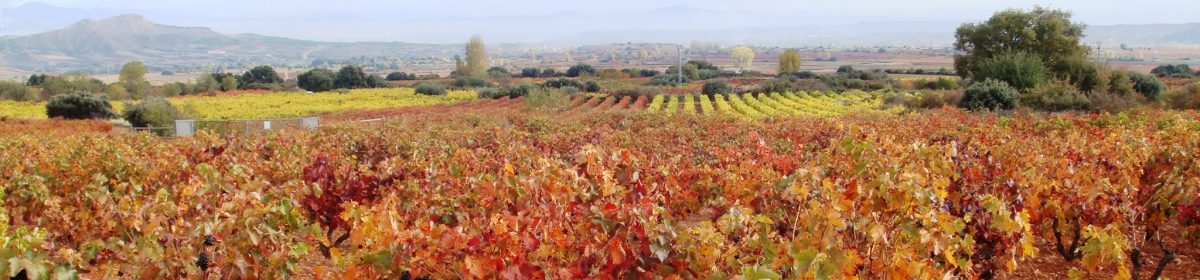
Bodegas Godelia makes it’s wines under the DO Bierzo umbrella. Situated in the North West of Spain, the finca is as traditionally built and designed as are the wines, which have their roots in a proud history of wine-making, but which also make use of more modern technology. The philosophy is simple – great respect for the land in which the wines grow as well as to those growers and wine-makers who have come before the current incumbents, with a view to a sustainable crafting of fine wines that  speak of terrior.


It works!


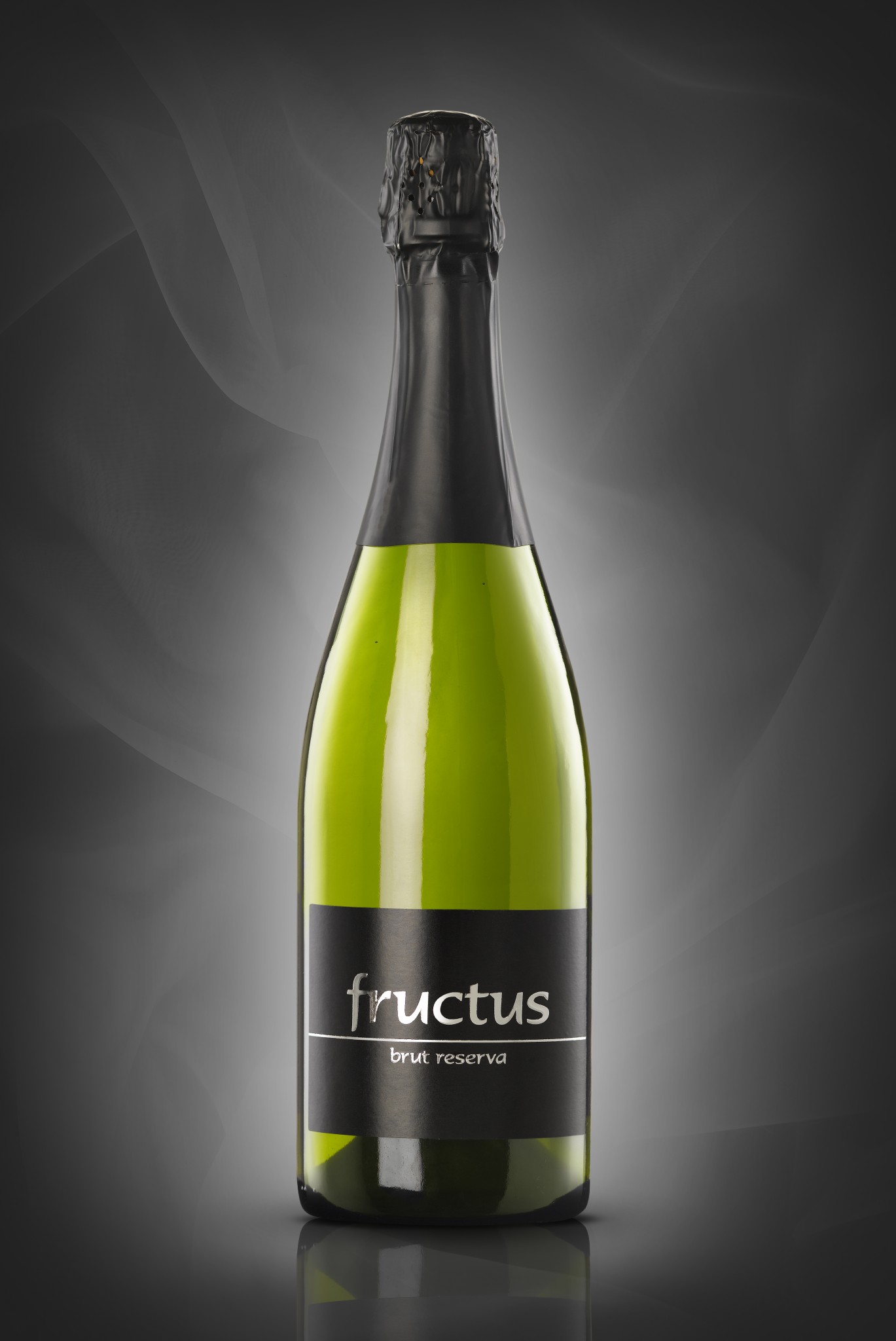
Fructus (don’t try saying that when you’ve had a few!) Brut Reserva Sparkling Wine does not carry the official DO Bierzo logo, but don’t let that be a concern. The reason for this will be that fizz is not officially recognised in the DO. Or, perhaps I should say, is not yet recognised! This limited production Sparkling Wine should be the flagship fizz that persuades DO Bierzo to think again, as well as suggesting that other bodegas follow suit and make some too!
fructus

For me it emphasises just how good, and versatile, the Godello grape variety can be. It’s time for Godello to escape the shadow of the neighbouring Albariño variety and step up to the plate. I’m confident that it will also be elevated to the stature of one of the noble varieties of Spain. I’m certain too, that once the thought nestles in the psyche of wine-makers in the area (and in DO Valdeorras, where Godello is queen), Sparkling wines from Godello will become as popular as those made from Albariño in nearby DO Rías Baixas!


In the glass there is a golden tinge to the wine, a product of the variety, and its extra time spent ‘en rima’, in bottle with its lees. This extra time with the lees (20 months) also gives the wine greater structure, depth of flavour and a certain endearing creaminess. You’ll find white peach on the nose as well as a delicate floral fragrance which adds elegance to the wine as you bring it to your lips.


On the palate, you’ll notice a certain weight, another attribute, courtesy of its time ‘en rima’, but this is not at the cost of freshness and indeed, vivacity. Typical bready pastry notes found in most sparkling wines also give a little fullness to the wine without taking away any of its elegance. I love it – but there are only 2,000 or so bottles made, so it’s first come first served!


Godelia Blanco is made from Godello too, but here there is a significant contribution from the other local variety, Doña Blanca. 20% of the blend is this latter variety, harvested from vines that can count 60 – 80 seasons. The grapes are accordingly rich and full of character, giving a great depth to the wine as well as some complexity and weight.


The wine is correctly clean and fresh, of course – however, there’s more to this than just a refreshing acidity. This is the stuff of quality white wine, a height to which many aspire but fail to reach. This is why there is such a world of difference between ‘entry level’ wines and those for which we pay a little more, but which repay consumers several fold!


In the glass its brilliance will attract, along with the straw colour showing bright flashes of lime too. There’s a citrus element to the wine as well, both on the nose and the palate. Look also for a slight herbal note, thyme perhaps, with a faint note of fennel, typical of Godello, and some understated stony minerality. There’s also a very slight blanched almond note, both on the palate and the nose.


Dry, of course, but fruit rich – the citrus again with a little peach and the faintest whiff of something more exotic, was that mango? A lovely drink – ideal aperitif, particularly in this heat, but also fish and seafood friendly and salads too. Try it with lemon chicken sometime too – super!


Whilst Godello may be the darling white wine variety of DO Bierzo, the area is probably more famous for its distinctive reds, made with the uniquely flavoured and fragranced Mencía. Bodegas Godelia’s softly spiced Mencia has had a well-timed 12 months in French and American oak.


The grapes have come from old vineyards and are harvested by hand with this careful selection augmented by another on the selection table back at the bodega. There are three different vineyard plots and the grapes from these different plots are blended together in proportions that can change from year to year. The wine is therefore a reflection of the whole ‘terroir’ as each plot has its own characteristics.


There’s the faint minerality referred to in the white, but a little more so in the red, indicating perhaps that the 2011, the sample that I tasted, had a slight bias to grapes from a more slate and stone orientated vineyard. The wine has elegance and complexity, with some deeply layered flavours of damson and forest fruit. And it’s this fruit that will be the lasting memory as you drain, first the glass, and finally the bottle.


We enjoyed it with a pork dish, rich in a creamy cider apple sauce, which it complemented perfectly, allowing the meaty cider notes to form a perfect liaison with the dark fruits of the wine!


www.godelia.es – well worth a visit!


Contact Colin: colin@colinharknessonwine.com and via www.colinharknessonwine.com where you’ll also be able to subscribe (gratis, of course) to his newsletters which give information about the various wine related events he organises. You can also join Colin’s 850+ followers on Twitter –

@colinonwine
Bodegas Lavia DO Bullas

DO  BULLAS’ BURGUNDY!

BODEGAS LAVIA

I was most impressed when I first met Sebastian Boudon, who in 2013 was Head Winemaker at a winery inland from Alicante, making DO Alicante wines. Regular readers may recall my words about him in an article written in April of that year (I doubt it though, as I had to refresh my memory too!) :

          “ [Sebastian Boudon], who, it’s clear to me, has a deep passion for quality wine and a philosophy born of tradition in both his native France and his adoptive Spain as well as modern methods learned and developed during training.”.

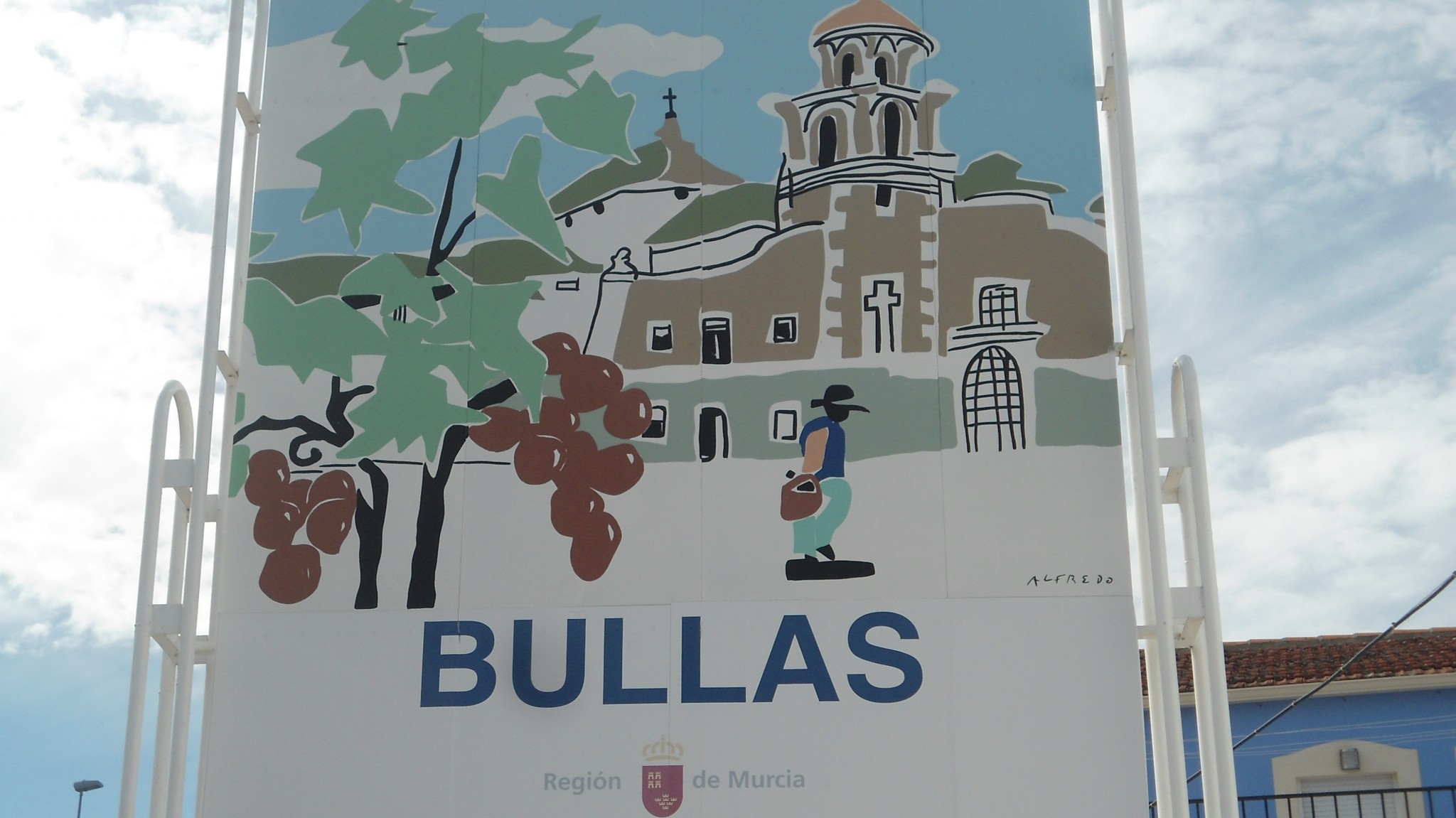
So, when I saw him proudly exhibiting the ‘Lavia’ portfolio of wines made by Molino y Lagares de Bullas at the exclusive DO Bullas wine fair, I was as delighted with the wine as I was intrigued by his presence! It was easily explained, and I’m not surprised – Sebastian had been head-hunted by this bodega which is on the fast-track to fame, bringing the whole DO with it!

BULLAS No. 1 001

If you go to www.bodegaslavia.com you’ll see the whole, impressive range, and when you realise that this bodega is in fact but one of a clutch of bodegas now operating under the umbrella company, MGWines Group. This group, the brainchild of Señor Luis Miñano San Valero, an Alicante businessman, is intent on producing wines of a Mediterranean character, which simultaneously also reflect the distinct terroirs of the various areas of wine production in which the bodegas concerned are located.

MGWines Group has bodegas in DOs: Alicante, Bullas, Bierzo; as well as the Vino de la Tierra de Castilla however, the management, whilst imparting this objective to the staff in each individual bodega, very sensibly leave them to their own devices. Thus, included in the package, is a certain autonomy where the wine-makers, bodegueros and other integral members of the team are able to simply get on with the job.

This is the first article in a series about the bodegas concerned, and of course, their wines.

The favoured grape variety of DO Bullas is Monastrell, one of the most grown varieties in Spain, and one so perfectly adapted to the soils and micro-climates of the DOs on, and inland from the Costas of South East Spain. It’s a variety that features regularly in this column, where you’ll read that it delivers darkly coloured, rich, plum and damson fruit flavoured wines that are verging on the hedonistic. Yet there is also elegance.

Now, the elegance in Lavia + 2009 is undisputed, it’s mouth-feel has a graceful weight about it. However, when the wine is first poured you’ll notice that those dark colours actually aren’t present. The lightness of the weight on the palate is reflected in the paleness of the wine. At first glance, and indeed, first sip, you may well question  the wine’s provenance – this is from SE Spain, made with Monastrell? Well, I  certainly did.

LAVIA BODEGA  DO BULLAS

There is an element of fine Burgundy in the wine! I kid you not! But how come? Well, Sebastian explained that the vineyard from whence the grapes for this wine hail is aluvial with limestone in it’s make-up. If you ever wanted proof that different soils have different effects on wines, just take a look at, and a good sip of Lavia + – DO Bullas’ Burgundy-esque wine!

It’s floral on the nose, delicate with only hints of the fruit to follow. In the mouth it’s rounded, light, yet seemingly perversely full in subtle flavour. There’s more dark and red cherry than plum plus an alluring black chocolate note on the finish. There’s a well integrated French oak note coming from the 500 litre barricas in which the wine has been aged, as well as an almost hidden earthiness.

The sum of the parts is a wine that is drinking just right now, though for me, doesn’t have too long left at this ideal level. I can’t wait for subsequent vintages!

Lavia 2010 will not cause the brow to furrow whilst you try and work out the grape variety etc. It’s Monastrell, big, rich, plummy and yummy! This wine surely has to have been made with grapes whose vineyard has a different soil profile. At 14·5% abv it packs a punch, representative of the variety and the region, though still retaining an element of elegance.

There’s a little black pepper spice on the palate (coming from the small percentage of Syrah included in the blend), similar earthy notes, but this time with some endearing herbal notes, bay, thyme and perhaps some illusive rosemary. A wine to really enjoy – there’s depth, yes, but it’s not so complex that you have to concentrate whilst drinking it on its own, with meat, game, cheese . . . . It’s that sort of wine!

Lavia + Finca Paso Malo 2012 is a single vineyard wine made with 50 old Monastrell vines. It too has the paler Lavia + colour and is, I feel, a work in progress. There’s a richness to the wine, along with elegance and slightly more pronounced minerality, and although there is no Syrah in the blend there is nevertheless a pleasing spiciness, emanating, I think, from the open 500 litre barrels in which the wine was fermented, along with regular stirring, plus its18 months French oak ageing.

Rather than cultured, commercial yeast, this wine has been made with wild yeasts indigenous to the vineyard itself, which I believe makes an impact on the fisnished product. There’s a singularity about the wine – it’s distinctive already, but will develop further as it matures in bottle. At just three years of age, there will be further evolution and I’d like to try it again when it’s double the age!

So, a rather good starting point for the MGWines Group – with more to follow, soon!

Contact Colin: colin@colinharknessonwine.com and via www.colinharknessonwine.com where you’ll also be able to subscribe (gratis, of course) to his newsletters which give information about the various wine related events he organises. You can also join Colin’s 850+ followers on Twitter –

@colinonwine. Plus, don’t forget you can see Colin talking about Spanish wines etc on www.youtube.com – just search Colin Harkness On Wine!

Bodegas Casa de la Ermita

ERMITA logo

BODEGAS Y VIÑEDOS CASA DE LA ERMITA

D.O. JUMILLA

Now, be fair – I did warn you!

This is the third article I’ve written over the last couple of months that features a bodega which comes under the auspices of Denominación de Origen Jumilla! I’m not apologising because I know that readers won’t be complaining, after they’ve tasted the wines featured in this week’s column! Once again, Jumilla proves itself to be a supreme source of southern Spanish wines – an alliterative, as well as a vinous, mouthful!

To say that in the growing season, Jumilla is hot, could well qualify me for the understatement of the year award! It’s more like a furnace than an oven! However, where the vineyards are planted at 600 – 800 metres above sea level, there is some respite from this heat at night when temperatures do cool down considerably.

Along with earlier picking than in past, bulk-wine-only days, and a greater emphasis on canopy management, allowing more leaf growth to provide shade, this ensures sufficient acidity to be present in Jumilla wines. There is still a richness, opulence even, in Jumilla reds, but there is freshness and an increased aromatic profile too, making wines from this region all the more desirable.

The traditional permitted white wine grapes Airén and Macabeo have been supplemented in recent years by more international varieties, making Jumilla white wines, refreshing and clean with lovely flavours and fragrances. Those bodegas lucky enough to have north facing, high altitude white wine variety vineyards are finding that their whites are becoming almost as highly prized as their red wines.

And it’s with a white Casa de la Ermita wine that I’d like to start my notes this week, the more so when, at the time of writing it’s 33ºC at 5pm in the afternoon! Fresh, clean, tasty and aromatic wine is just what I need!

For some reason (I’m not sure I approve actually!) it seems to be a mystery as to which varieties are used for this wine. One of my favourite white wine grapes is Viognier, whose home is in the Rhône Valley, France. However, according to the website (www.casadelaermita.com) it is adapting very well at Casa de la Ermita and this, along with a slightly subdues apricot nose makes me think that there must be some Viognier at least in the blend of the simply named Casa de la Ermita Blanco.

It’s a refreshing and cooling aromatic white wine that will be perfect with salads, fish and shellfish and there’s enough acidity to cut through any accompanying sauces too.

There’s also a slight mystery about the idiosyncratically named and labelled Lunático Monastrell red wine, that for me has to be a flagship wine, which speaks of the quality of Monastrell, its history as the variety of choice for the area for hundreds of years, but designed also to enfranchise younger wine drinkers.

ERMITA lunatico

I think that sometimes bodegas over-simplify their wines in a, probably unconsciously patronising, effort to sell to the younger generation. I agree that aromatic (red, rosado and white) fruit driven wines will be attractive to younger consumers, but this doesn’t mean that appreciating depth of flavour, complexity and length are concepts beyond them!

Youngsters may not want to talk in such terms. Wine-speak may not be in their vocabulary yet, or indeed it might be, but they may well eschew the ramblings of the older wine cognoscenti, preferring to simply enjoy the wines. They can still tell a quality wine from an entry level, fruit cocktail!

I wonder if Lunático, which actually means ‘lunatic’, was hit upon as the name for this wine in criticism of the above ‘crazy’ approach, adopted by some bodegas which fail to recognise that ‘jovenes’ can have sophisticated palate too? No matter, because the wine will speak for itself. Indeed it has to! There is no description, no tasting notes on the label, in an effort to avoid leading the drinker (whether young or older), preferring that he/she make their own discoveries using their own language.

Lunático has a great label and it’s a super wine. Made from 100% low yielding old vine Monastrell it also enjoys 12 months in French oak, which adds depth plus a little extra flavour and fragrance (some spice, mountain herb and the faintest stony, dry soil aroma). And, yes the wine is fruity (dark plum, black cherry) but that’s not all! Hightl recommended!

The multi award/plaudit winning Casa de la Ermita Crianza 2011 is proud to be a traditional and indeed exemplary Jumilla wine. There’s Monastrell, of course, but joined by Tempranillo and a dash of Cabernet Sauvignon, which gives greater colour, dark fruit flavours and some extra longevity. It’s typical of the region in that it’s so rich in flavour and whilst it has presence and weight in the mouth, there’s an understated elegance too.

ERMITA tinto_crianza

A wine to enjoy with meats of course, game too and cheeses, but also one to relish on its own. You’ll find blackcurrant wrestling (in the nicest possible way!) with blackberry fruit and damsons. On the nose there’s rosemary as well as some stony minerality all complemented by some spice and a little coffee and cinnamon from the American and French oak in which it has been aged for nine months.

Often, visitors to the costas of Spain, are amazed by the concept of a red dessert wine. Such wines are white, aren’t they! Well, it’s true there’s more white sweet wine than red, but in the South East of Spain there is a real demand for sweet red wine, a demand which has now been noticed by other countries who import them with impunity from DOs Jumilla, Yecla, Alicante, Bullas and Valencia to bolster their wine lists and offer something a little more exotic.

I’ve yet to meet anyone who doesn’t like Dulce (sweet) Monastrell and Casa de la Ermita’s is no exception! The 60 yr old vines are naturally low yielding. Their grapes are fewer, but richer and, when left on the vines in the sweltering sunshine for a couple of months after their sister Monastrell grapes are harvested for the dry red wines, a large percentage of the water content of the flesh has evaporated.

ERMITA smce_dulce_tinto

A lengthy low temperature fermentation followed by a three month period in oak results in a luscious, really naughty, wine! Desserts yes, but also use it as the dessert, either on its own, or, as with PX Sherry, lob it onto some vanilla ice-cream. Plus, try it with blue and other strong cheeses, perhaps as you might with Port!

So, another success story from DO Jumilla – and there are others. Why not investigate further?!

Contact Colin: colin@colinharknessonwine.com and through his wine services website www.colinharknessonwine.com , where you can also subscribe to his newsletter (free of charge, of course) and therefore have firsthand and early news of the various wine events he organises, most of which are sold out very quickly! Plus you can also follow him on Twitter @colinonwine for the latest on the Spanish Wine scene!

The Ariyanas Portfolio

THE ARIYANAS PORTFOLIO

BODEGAS BENTOMIZ

So, what’s the first thought that comes to mind when somebody mentions ‘Málaga’? The, shall we say, vibrant, tourist industry? Being able to ski on the nearby Sierra Nevada in the morning and sunbathe on Málaga’s exceptional beaches in the afternoon? Pablo Picasso’s birthplace; Antonio Banderas’ too? La Liga?!

Anybody come up with ‘Wine’?

Probably not, methinks, but, I urge you to thinks again. There is, and has been for millennia, a wine making culture in the province of Málaga, for nearly 3,000 years. Málaga, first called Malaka, was founded by the Phoenicians around 770 BC (making it one of the world’s oldest cities). These ancient Greeks liked a drop or two of wine. Indeed, theirs was a seafaring nation, of course, but also one based on trade. Wine was a valuable commodity!

In terms of trade during more recent history a graph of Málaga wines’ popularity would show spikes during the Renaissance period, as well as in Victorian times. Shakespeare, when penning his line, ‘I pray you do not fall in love with me for I am falser than a man in wine’, may well have been referring to wine from Málaga for it, Sack (Sherry) from Jerez, and Canary, well you can guess where that was from, were commonplace during his time.

It’s quite probable that Queen Victoria also drank wine from Málaga, her courtiers and from the Aristocracy downwards certainly would have. However, other than these peaks, it’s true to say that the Málaga wine trade has been modest during most of the last 3,000 years. However, it seems to me that another spike is about to appear, and it may not be just a passing peak.

Clara and André, the Dutch owners of Bodegas Bentomiz, have been living in Málaga’s Axarquía region since 1995. In 2003 they began commercial production of the Ariyanas wines: premium wines from local grapes, beginning with a sweet moscatel, the Naturalmente Dulce.

Its success encouraged them to expand their portfolio, and their efforts have been rewarded with various medals and plaudits, including the fact that several of their Ariyanas wines are now an integral part of the wine lists of Michelin Starred restaurants, including the UK’s The Ledbury, and El Celler de Can Roca in Girona, recently voted, for the second time, The Best Restaurant in the World!

I was as delighted to be asked to review their wines, as you will be to taste them. The following are my comments.

Sweet dessert wines are the most typical of the area. Indeed it was a dessert wine that first put Bodegas Bentomiz on the vinous map of Spain, so this is where I’ll start. However, first a comment about the closure – no cork here, it’s a glass stopper with a special seal that should help you to keep the wines longer, in the fridge. I think they make the wines (they all have this closure) a bit special!

Ariyanas-Naturalmente-Ducle

Ariyanas  Dulce 2010 is made with Moscatel de Alejandria, a variety which is responsible for luscious dessert wines. But such wines have to have an acidic lift to them, or they are flabby, cloying – simply sweet.

None of that here. This wine has the typical raison and very ripe grape aroma characteristic of the variety, with some Clementine or Mandarin notes too. The grapes are harvested late so that a lot of the water content has evaporated leaving a rather rich must, providing the required richness. It’s naturally sweet, unfortified and comes in at a very reasonable 13% abv.

Ariyanas Dulce 2018 Terruño Pizarroso is a sublme wine. Again 100% Moscatel but this time with some oak ageing, in fact 8 months in new French barrels. Even the colour is rich, it’s bronze/gold hued, the colour of honey – and on the nose you’ll find honey, as well as some orange peel spritz, with a touch of minerality too, coming from the slate strewn vineyard. Look also for the dried fruit you might add to Christmas cake!

Ariyanas-Terruo-Pizarroso-

It’s an exotic wine, rich, deep, sweet, but with acidity, a partner for Foie Gras, for sure, as well as tropical fruits, plus, try it with blue cheese. A high pointer in all the guides, with a string of plaudits and medals – wow!

I’d never heard of the variety Romé before I tasted the excellent Bodegas Bentomiz’ Rosado. Apparently Jancis Robinson is on record as saying this is the 2nd best rosado in Spain! (No, I don’t know what she thinks is the best. Perhaps she concurs with me that it’s probably Gran Caus from Can Rafóls dels Caus?).

ARIYANAS ROSADO_Rom

In the glass, it is Tizer-esque in colour and on the nose there are delightful soft red fruit nuances. There’s a lick of minerality and some red wine notes of mature tannin. It’s a fragrant delight, one to be enjoyed as a gorgeous aperitif, but also with salmon and trout, as well as with seafood, and even lighter meats.

Romé also figures in Bentomiz’ red wine, Ariyanas Tinto 2012, along with Petit Verdot (such a success nowadays here in Spain, where it ripens perfectly), Tempranillo and the other Cabernet, Cabernet Franc which is also enjoying a little renaissance here on the Iberian Peninsular.

It’s described on the bodegas website (www.bodegasbentomiz.com) as a modern wine, meaning, I believe, that it’s more fruit orientated than previous Spanish reds have been, having had less time on oak – just 6 months, notably less than the dessert white wine above!

Ariyanas-Tinto-de-Ensamblje

There’s a good fruit line-up on the nose and palate, some soft red strawberry and redcurrant, with a plums and red cherries too, and a depth provided by the oak, though this is wholly integrated. It’s very easy to drink and at just 12·5% abv it’s light with a touch of elegance.

Contact Colin: colin@colinharknessonwine.com and through www.colinharknessonwine.com where you can sign-up for regular wine news updates as well as information about Colin’s wine related events. He’s also on Twitter @colinonwine and is currently making Youtube Videos on Spanish Wine www.youtube.com search Colin Harkness On Wine.