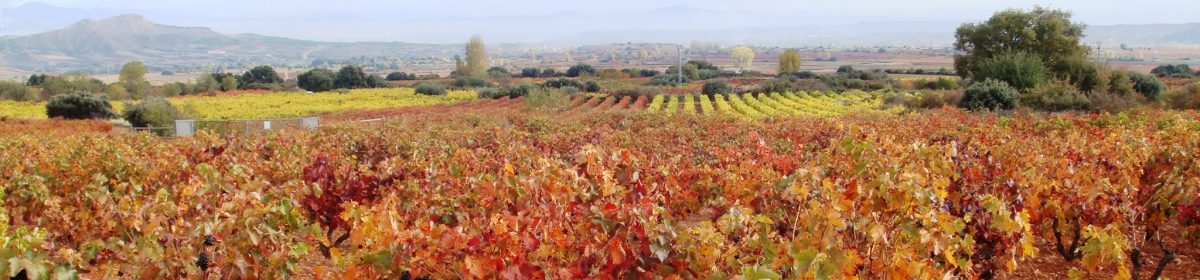
Bodegas Altolandon, DO Manchuela

BODEGAS ALTOLANDON

DO MANCHUELA & VdlT de CASTILLA

I hang my head in abject shame! This article is soooo late! It’s a disgrace that it has taken me fully nine months to get around to writing about Bodegas Altolandon, having received a selection of their wines way back in March, 2014!

However, I hope they might be placated a little as one of the reasons for the delay is that, since tasting them, the empty bottles have been on display in my office – so visually pleasing are their labels! It’s true, an old died-in-the-wool pro like myself can still be seduced by a wine label, so it’s not surprise that labels sell wines.

an example of the excellent labels that adorn the wines of Bodegas Altolandon.

Of course, it’s what’s actually in the bottle that will ensure a further purchase of the same wine, or not, as the case may be. Well, there’s no doubt that the wine in the Altolandon bottles is as attractive as the labels on the outside!

Tell me though, when was the last time you bought a bottle of wine from DO Manchuela? Hopefully it wasn’t that long ago, but I suspect it might have been. This area of production inland from Valencia, adjacent to DO Utiel-Requena on the La Mancha side, isn’t as fashionable as it should be, nor is it (therefore?) as as easily found in wine shops and supermarkets as befits its general quality.

Well, one of my New Year’s Resolutions (see last week’s Cork Talk, archived on www.costa-news.com click Cork Talk) is to continue to seek out quality wines and areas of production. I’m on a mission – Manchuela, will be recognised, and wholly on merit! And I’m starting with the portfolio of white and red wines from Bodegas Altolandón.

You may remember my article in April last year, (nah, I doubt it, since when have I been memorable?!) the third and final part of the ‘Great Bobal Taste Off’ series. This is what I wrote about the 93 pointer Altolandón 100% Bobal:

Bodegas Altolandon makes Rayulo, a 93 Peñin pointer, 100% Bobal. It’s colour is dark cherry, which is also on the nose and the palate, but there’s a good fruit element too, loganberry and maybe red currant as well. It has a refreshing acidity in the mouth, with good structure and power. Rich, full and yet elegant, to make it perfect for enjoying over dinner with some time to reflect on all that’s good with the world!

The wine has a sense of place about it – some autumn undergrowth mixes perfectly with the up-front, mostly dark red fruits. It’s eight months in French oak have added complexity and depth of flavour.

And there’s more: Altolandon, with the purple circles arranged in the form of a bunch of grapes adorning the label, is made with Syrah, Garnacha and Cabernet Franc. It’s as richly coloured as you would expect and the vineyard’s 1,100 metres above sea level makes a contribution to the brilliance of the wine in the glass.

altolandon 1st wine

The grapes are harvested by hand and placed, with care, in 12k baskets – no grapes squashed in transit here. Also, whilst it’s not revolutionary, it’s not commone either that the wine is fermented without the addition of cultured yeasts. Fermentation takes place simply with the wild yeasts that are found of the skins.

There’s a dark-fruit jam nose that tempts the taster. On the palate there is weight and roundness, coming from perfectly ripened grapes and there’s depth too, from quality grapes and also from the 14 months spent in French barrels. Put simply, it’s lovely wine!

L’Ame Malbec comes from relatively young vines, and yet they are clearly producing top quality grapes. This Malbec, a French variety and yet so prevalent in Argentina, can really show well when there’s plenty of sunshine around. Link this with the dramatic drop from daytime temperature to those recorded at night and you have the perfect start.

Hand harvesting and, like all Altolandon wines, fermented with wild yeasts, the final product is seductive. You’ll find violets on the nose, with dark forest fruits quickl coming though. The French oak has also made an impact with a touch of tobacco and coconut on the nose and a rich fullness in the mouth. It’s earthy and fruit driven on the finish and has to be one of the best Malbecs in Spain.

My favourite label is that of the Irrepetible, and I hope that, despite the name, the wine is repeatable! This wine is certified as organic and it just shows how well organic wine have developed over the year. This is a super wine, not just super – for an organic wine!

Blackberries, a touch of earthy minerality and Cassis can be found on the nose plus a touch of leather. There’s plenty of weight in the mouth but elegance too. Lovely, and the coolest label of the lot!

CF de Altolandon is an example of how Cabernet Franc (hence the CF) can survive very nicely, thank you, outside of its comfort zone in Bordeaux which has always been considered its natural home. The other Cabernet, as it is referred to sometimes, isn’t as commonly found in other countries as its more famous big brother, but there are some excellent examples in Spain. CF is one of them.

altolandon-cf-de-altolandon-cabernet-franc-manchuela-spain-10496279

It’s full, rounded and rich with power and a long finish, but it also has elegance as well as complexity. It’s structured, with layers of pleasure to be found as you drink it over an evening with dinner, shared with treasured friends and family.

Dark forest fruits with red currants too and a slight smokiness. There’s that violet note again and it has a very slight chocolate liqueur finish. Hold it in the mouth and let it speak to you – super, exemplary DO Manchuela wine!

Contact Colin: colin@colinharknessonwine.com and you can join his nearly 700 followers on Twitter @colinonwine; and you can keep in touch with the world of Spanish Wine through his unique website www.colinharknessonwine.com


PS For first choice when it comes to the wine related events in which Colin is involved simply e-mail him and he’ll add you to his e-mail list, so you receive the information before it is advertised in the press and therefore you’ll have first option. Usually Colin’s wine tastings, bodega visits etc are full before going to press so this is the best way of becoming involved!

REPORT: Liberty Wines Tasting

The imposing home of Surrey County Cricket plays host to Liberty Wines Grand Tasting

I was delighted to be invited to be a part of the Bodegas Castaño Delegation attending the annual Liberty Wines UK Grand Tasting, held at the excellent Kia Oval, home to Surrey County Cricket, towards the end of January 2015. What a super way to start a new year of wine events!

Delighted to have been co-opted onto the Bodegas Castaño Team!

My role, apart from tasting as many of the top quality wines on show as I could, was to assist Bodegas Castaño’s Head Winemaker, Mariano, who has worked the vineyards of DO Yecla for 30 years! Whilst my Spanish is some distance from being fluent, my wine-Spanish isn’t bad at all and I was pressed into service as translator.

Liberty Wines have an international portfolio of wines whose prices range from the economic to the expensive, but wherever one buys within this spectrum, you can be assured of value for money.

Mariano was a man on a mission and I had to keep up with him! We tasted, first, many of the range of white wines available and there were lots of splendid examples from well known wine producing countries (Italy and France figure very strongly on the Liberty list as well as Australia and New Zealand) and also from countries whose wines one doesn’t find so easily here in Spain – USA, Austria and Canada are examples in this category.

So many different white wine grape varieties and perhaps for me it was the superb Burgundy Chardonnays along with the ‘perfect’, in Mariano’s word, Condrieu, using of course, Vioginer.

From reds we went onto rosé where we found some lovely examples, particularly from Australia, showing a variety of soft red fruit notes as well as demonstrating that one cannot call rosé wine, pink any longer! Such wines are now made in many different versions of pink, though there is at the moment a noticeable leaning towards the very pale Provence style.

LIBERTY WINES TASTING @ THE OVAL UK JAN 2015 003


I wonder if winemakers of Provence are pleased to be flattered in this way, or slightly worried about the competition! I think we can expect to see many of these Liberty Rosé Wines, of all hues, taking shelf space in the coming Spring and Summer!

And the reds? Well an amazing variety from so many countries. Favourites for me were those which had Syrah/Shiraz either in the blend or made as mono-varietal and two of these included a tiny percentage of Viognier, one French one Australian – both excellent.

Please see my article soon in the Costa News Group www.costa-news.com click Cork Talk   for more information about this excellently organised and extremely tasty event!

What a stadium! The Kia Oval, London.


New Year Resolutions

NEW YEAR RESOLUTIONS 2015

I wonder how many of us make New Year Resolutions? I wonder, also, of those of us who do, how many of us keep them, and for how long?

On the whole, I’m one who does make them, and I do try and keep them – though, inevitably some of them fall by the wayside as the year progresses. Usually, the first to go is my annual resolution to keep my office tidy. And, linked closely to this is the one where I promise to visit the bottle bank more regularly!

Imagine the number of bottles of wine I get through each month (and bear in mind here, that I do this selflessly for you, dear reader!) – I sometimes wonder if the refuse collectors (as a student, I used to be one) ever take note of the quality of the wines that have been consumed whose bottles end up in the bottle banks around the area where my house is situated. I’m sure they don’t, but you know what, if it was me, I would! I know, I’m a sad case!

Well, there’s one New Year Resolution that I’ll certainly be keeping this year. My surgeon has dictated that I must do certain exercises before, and after, the two knee replacement operations that I’m expecting (dreading!) in 2015. I didn’t mention to him that, come what may, I’d have to continue with many of the wine related resolutions that I’m about to disclose here. One can give doctors too much information, don’t you think?!

So, for better for worse, for longer or shorter times kept, here are some suggestions re  wine resolutions and, as wine is one of my passions, I think I will be able to maintain these throughout the year. Perhaps you’d like to join me in some of them?

  1. Though there are some promising signs, La Crisis still bites here in Spain, so it may be that readers will worry about my first resolution, and of course, I accept that this may not be possible for us all. I’m going to spend a Euro or two more when I buy wine this year.

We’ll be able to see, smell, taste and even, feel, the difference in quality. Trade up a little and you’ll discover there’s so much more to obtain from Spanish wine. Most of us are not just in it for the alcohol and there are aromas and flavours waiting to be discovered!

I’m convinced that having the date of disgorgement visible (and I don’t mean some code that has to be deciphered!) on the back label of Sparkling Wines is an advantage to both the consumer and the producer.

As Cork Talk readers will know, the date when the dead yeast is expelled from the bottle, which has been kept ‘en rima’ in the cellars for at least nine months, is very significant, if we want to drink fizz at its best. Sparkling wine has a shelf life, which is shorter in Spain than in, for example, France, though the disgorgement date is still relevant there too.

When this yeast sediment has been exploded out of the bottle and the sparkling wine is then ready to drink, it will only last, at its best, for a certain length of time. You have about 9 months with the younger sparklers, longer with Reservas and Gran Reservas, but not hugely longer, when the wine can be enjoyed as the winemaker wants you to enjoy it.

However the consumer can only tell how long is left if the date is clearly visible on the label. Obviously this information is important for us, but I believe it’s also crucial for the producer, who will reap the benefits of having his/her fizz always drunk when it’s at its best.

My resolution is therefore to buy exclusively (as far as is possible) sparklers that have this information on their labels, and to ask the retailer why others don’t, and can they demand this from the bodega from whom they buy. Sadly, I know I’ll also have to explain the significance to some retailers (particularly the supermarkets in whom I don’t have much confidence) and that I’ll have to suffer their indignation that I, a foreigner, should suggest something to improve a Spanish product!

I’ll be a pain to them, I know, but if we don’t act, this problem will continue to be a thorn in our otherwise wonderful Spanish Sparkling Wine!

Back to supermarkets and the failure of some of them to put the consumer first. I’m again going to expose those supermarkets that are selling wines when they are past their best. I have written before of the horrors of the dark orange and even brown 5+ years old Rosados that I have seen blatantly offered on supermarket shelves, purely to release space in the warehouse whilst at the same time covering the buyers’ error in buying too many bottles at the time when it was safe to drink them!

It doesn’t just apply to rosados and it doesn’t just apply to one supermarket chain or individual business. Again, I’ll have my work cut out explaining that the best place for such fruitless apologies for wine is down the drain, but I will, and one day they’ll listen.

Please, don’t make me a voice in the wilderness – join the campaign!

I’m going to continue to buy Vino de la Tierra wines. These are the wines which are not Denominación de Origen wines, but which nevertheless often offer excellent quality, and value.

If you look at Spanish wine books from 20+ years ago you’ll see that VdlT wines are effectively described as ‘wannabe DO wines’. I doubt it was ever the case, but it certainly isn’t now. There are really good quality wines that are not DO and yet offer at least as much, and on occasion, more.

My advice is look at the price-tag. It is generally still true that in Spain you receive what you pay for. In other words, in this case, a VdlT wine that is priced at, or above, ‘average’ DO wine prices will deliver just what you want it to. Experiment!

I’m going to continue to seek out eclectic wines, wines from unfamiliar areas of production and wines made from less well known varieties. When I discover good ones, as I surely will, I’ll be letting readers know. You can do the same of course.

I say again – experiment.

Finally, as I’m running out of space – whilst I’m not going to consign my sparkling wine flutes to the bottle banks, I am going to drink more sparkling wine from white wine glasses.

Like most of us, I delight in seeing flutes of fizz and their wonderful, sparkling bubbles seething to the surface, and occasionally even overflowing. It’s all part of the folklore – it speaks of celebration. However the fact is that it is easier to discover the finer aroma and flavour profiles when Sparkling Wine is tasted from a wine glass!

Many thanks for reading me over the last year and I hope you continue to do so! Please note that there will be, as always, various exciting wine related events this year and the best way to hear about these in advance is to join my e-mail list. There’s no charge, of course, and my regular update are as unobtrusive as possible. Please contact me and I’ll add you to the list. Gracias.

Contact Colin: colin@colinharknessonwine.com and through www.colinharknessonwine.com and via Twitter @colinonwine

Costa News Top Ten Wines 2014

THE COSTA NEWS TOP TEN WINES 2014

The best ten Spanish wines I’ve tasted this year!

No. 10. Canals & Munné Cava Gran Reserva 2010.

The Gran Reserva 2010 is made with 40% Macabeo, 30% Chardonnay and 30% Parellada. It has clearly benefited from its four years in bottle resting on its lees as the depth of flavour is phenomenal. There are some cavas of this sort of age that have become a little tired, with an off-putting musty granny’s attic aroma. Canals & Munné’s Gran Reserva is the antithesis of this sort of cava. It’s as fresh as if it were years younger, so therefore superb for celebrations and of course aperitifs.

However the time in bottle with its lees, plus the addition of a sizeable proportion of Chardonnay, which was clearly harvested at optimum ripeness, have added an enviable depth and complexity. The wine has typical aromas of sparkling wine, patisserie notes, fresh bread and, from the Macabeo, some reference to an unsweetened apple pastry with a lick of dry cider too. The Chardonnay then comes to the fore, with a buttery, slightly smoky, faintly vanilla aroma and flavour.

No. 9. Ramon Bilbao Gran Reserva 2006 DOCa Rioja.

In the glass it’s brick red giving a clue as to its age. On the nose you’ll find tantalising earthy, soft red fruit aromas – sniff out loganberry and raspberry with perhaps some not quite ripe strawberry acidity to keep the wine fresh! You’ll also find some herbs, understated rosemary, slightly more prominent thyme underpinned with enveloping bay leaf and some smoky oak.

But it’s on the palate where the wine really excels (as if the above wasn’t quite enough!) it’s delicate and yet full with lasting fruit flavours kept alive by a refreshing acidic lick and a long, long finish. Wow, I loved this wine!

No. 8. Colet Clàssic Penedés Assemblage Brut Sparkling Wine.

This very, very lightly rosé coloured wine is the result of the gentle pressing of the black grape Pinot Noir, which makes up 55% of the blend. The rest is made up by Chardonnay, coming from one specific, terroir favoured vineyard.

Whilst not wanting to appear a wannabe Champagne one cannot avoid the similarities. It’s a super, full and elegant wine that looks so appealing in the glass. On the nose there are faint strawberry elements mixing with aromas of the pasteleria as you pass its open door first thing in the morning. Elegant, yes, but that doesn’t mean delicate. Its 30 months en rima have given it structure, some power, a mouth-filling presence and a lovely slightly creamy finish.

No. 7. Torre Galimany 2010 Cava Gran Reserva.

Sensational Sparkling Wine, exemplary Gran Reserva Cava! A wonderful aroma with white flowers and brioche and a super freshness. Though full and rich it still has elegance in abundance as well as an acidic lift to retain its freshness. There’s a light earthiness to the wine that contributes to the body and makes a good match with   mushrooms and meat. Plus, the typical yeasty character derived from the second fermentation along with that floral aroma and faint apple and pear, make this a wine to savour.

No. 6. Casa Don Ángel Bobal DO Utiel-Requena.

A classic Bobal wine crafted with loving care by my friend Felix who has managed to embody not only the natural characteristics of the variety, but also a sense of place too. Made from grapes, twice selected from 100+ years old vines, the wine has been aged for a total of 18 months in American and French oak – for added depth of flavour and complexity.

Typical black cherry notes are complemented by peppery spice, a slight cinnamon nuance and a certain terroir-led minerality. In the mouth it is rich and full and yet elegant too. Its 93 Peñin points puts it firmly in Gold Medal position, which is confirmed by its listing in the Proensa Guide’s 500 Best Wines in Spain!

No. 5. Fino de El Puerto de Santa María En Rama DO Jerez.

I urge you to try the En Rama style sherry that is becoming so popular – this is exemplary.

Very pale gold in colour, the aromas that escape when pouring are seductive. You’ll find a touch of saltiness, bone dry, rounded, with balanced, almost measured, acidity and such depth, complexity and length. Drink it with pan-fried slightly salted almonds, Jamón Serrano, Semi and Curado hard Manchego cheeses, and of course, just by itself! Excellent!

No. 4. Quincha Corral 2011 Pago El Terrerazo.

It has an abundance of dark cherry fruit coming from the 100% 40 years old Bobal vines, with an appealing black pepper spiciness. It’s powerful, yet subtle and elegant. Its rich fruit emanates from Bobal vines planted in 1945 on the bodega’s most prized vineyard. Black cherry fruit, and bags of it, with fully integrated tobacco and coconut oak notes. It’s rich, full and rounded – concentrated and structured in a way that will see the wine unwind over the next five years to be drinking perfectly for a further five years and more.

No. 3. Belondrade & Lurton Verdejo DO Rueda.

Superb dry white wine. The 100% Verdejo has been fermented and aged for 10 months in French Oak and then for a further 5 – 6 months in bottle, before its release onto the market. I love this style of Verdejo – you have all the fruit and slightly vegetal characteristics of young wines made with this variety, but with an added dimension of grapefruit, a touch of smokiness and a great depth of flavour.

The No. 3 Wine 2014
The No. 3 Wine 2014

No. 2. Quest 2012 DO Costers del Segre.

Quest is made with Cabernet Sauvignon, Cabernet Franc, Petit Verdot and Merlot fermented entirely in ancient stone vats hewn out of the mountainside! The 2012 is still young, vibrant in its blackcurrant, blackberry and dark plum fruit, a delight on the palate with no slightly unripe harshness as can be the case with some young wines from the two Cabernets’ home, Bordeaux.

You’ll find some vanilla and a touch of cloves on the nose which is wholly integrated with the succulent fruit when the wine hits the palate. It’s a lovely juicy wine but with a backbone of mature tannin, acidity and wonderful mineral notes that will ensure that it ages for probably five years and more. Deeply flavoured, structured, complex wine!

The No. 2 Wine 2014
The No. 2 Wine 2014

No. 1. Blecua 2007 DO Somontano.

The Costa News best wine of 2014, Blecua 2007, is made with the best bunches of hand harvested Cabernet Sauvignon, Merlot, Garnacha and Tempranillo selected from the oldest vineyards. Then a further selection takes place in the bodega! Each variety is fermented separately in 18,000 litre French Oak ‘foudres’.

There follows a 12 month period where the wine is aged separately in new French oak barrels. After this time only the finest barrels are selected to blend together for a further eight months in oak to make the final wine. And what a wine! Magnificent! Proensa 96; Peñin 94; Harkness 99!

Firm but gentle tannin, all dark bramble and blackcurrant fruit with earthy notes. Fascinating complexity with layers of pleasure including fruit of course, but also mountain herbs, bay leaf and thyme, a faint touch of dark chocolate, but not in any way bitter, a very slight smoked finely chopped coconut and rich fullness that seems to go on forever! Wonderful wine!

The No. 1 Wine of 2014!

Contact Colin: colin@colinharknessonwine.com. Twitter @colinonwine. Also please regularly visit www.colinharknessonwine.com for all Spanish Wine news and lots more!