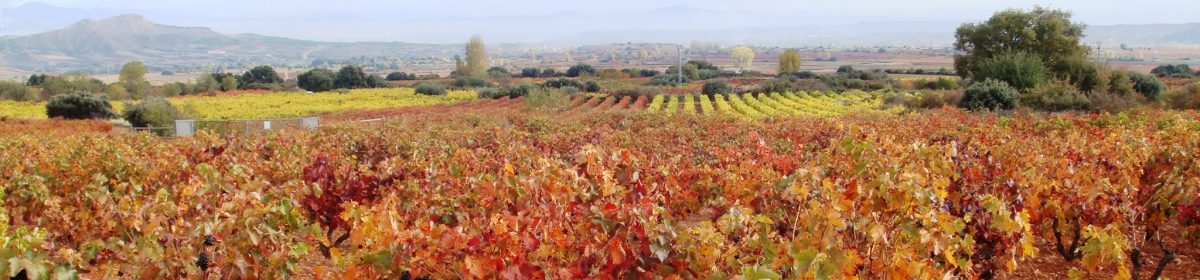
ROMPESEDAS WINES FROM SPANISH PALATE!

It can be argued, indeed proven, that Tinta de Toro is one of many aliases for perhaps the most famous red wine grape variety in Spain, Tempranillo . . .

VARIATIONS ON TWO THEMES

Theme No. 1 – philosophy                                            Theme No. 2 – grape variety

In a Cork Talk a couple of months ago, entitled Botas del Barro, and archived here: https://www.colinharknessonwine.com/articles/page/2/  (scroll down to Botas Del Barro), I alluded to the new wine distribution company, Paladar Español/Spanish Palate. www.spanishpalate.es

Co-founded by Nicola Thornton, a Sheffield lass, who has created quite a storm here in the wine world of Spain, Spanish Palate has an admirable philosophy. They have tasted their way across the length and breadth of Spain seeking out boutique bodegas whose wines, often of a limited production, reflect the terroir of their vineyards, allowing the characteristics of the varieties used to fully express themselves. These are wines with soul, made by passionate winemakers, and are always at a high quality level.

I’ve been lucky enough to receive several samples from a number of the bodegas in the Spanish Palate portfolio and have started the arduous (not!) task of tasting them. First up is the series of wines under the Rompesedas banner, from DO Toro.

I decided to start with Toro wines as this is where Nicola has been based for most of her time in Spain (well, sort of – as a much traveled Export Director, there are few countries of the world where she hasn’t been). Without intending to, she has become probably the best ambassador for Toro wines there could ever be, so it was with absolute confidence that I started tasting these Rompesedas wines, which are all made with the same grape variety – Tinta de Toro.

rompesedas

Yes, the second theme on which there are variations.


It can be argued, indeed proven, that Tinta de Toro is one of many aliases for perhaps the most famous red wine grape variety in Spain, Tempranillo. However, taste a  monovarietal Tinta de Toro from, well, Toro, claro; against a Tempranillo from, for example, Rioja, and your senses of smell and taste, for sure, will detect differences. Tinta de Toro is a grape variety that has become distinctly Toro, and, when handled correctly, it will speak of its place, of its terroir.


The Rompesedas wines I tried were all made with Tinta de Toro. First up was Rompesedas 2014 Los Lastros, and a fascinating start to the tasting, as this wine, a joven, gives the taster an opportunity to taste the pure fruit without the, at times lengthy, barrel aging of the following wines. As one would expect, this young red wine is as fruit filled as your grandmother’s pies! It’s a pure pleasure, easy drinking, wine, redolent of light and dark red fruit. I picked out a little light cherry character with some blackberry backup.


Rompesedas 6 Months 2013, as you might have guessed, has had six months in oak, French and American. The vines that contributed to this wine are 100 years old, and yet still produce fruit packed wine. The colour has darkened, the flavour developed, both with the extra year and the integrated oak influence, and the aroma has changed too.


You’ll find a little backbone behind the fruit, a little complexity and, whilst remaining a wine to simply drink and enjoy on its own, it is also moving nicely into the realms of wine with food. Balanced and with a slight creamy note coming from its lees.


Rompesedas 2009 18 months, has the above, but more so! It’s a single vineyard wine, the vines again being centenarians. There’s a greater use of French oak and this seems to make the wine more subtle, more complex. Still juicy, we have cherries again here, but much darker – this goes with the deeper colour too. There’s a touch of spice and a tannic grip on the finish that demands a meat course!

rompesedas-jpg-finca-las-parvas

I found the 2008 to be similar in every respect to the 2009, I’m not sure I would have spotted the difference of a year. Perhaps this is because the weather during the growing seasons was similar – certainly the way the wine had been made was the same.


However, the 2007, was even more of a delight, albeit a year older again. This wine has developed brilliantly – in every sense of the word! It’s bright in the glass, defying its nine years of age in looks, and also on the palate. It’s a wonderfully vibrant wine, rich and silky, full and elegant too. There are more dark fruits, black cherry with ripe blackberry and there’s an earthy aroma, flavour and even feel, to the wine. Some faint cinnamon spice, a little vanilla and used leather, with a trail of herbs running through its layers. Lovely.


Having to choose between Messi and Neymar, is not a bad dilemma to have and here I’ve gone with Finca Las Parvas 2006 as probably my favourite of the flight. It’s enjoyed 22 months in French oak following its fermentation in new French 500 litre oak. There’s a difference here – the barrel fermentation seems to have benefited the texture of the wine as well as adding an extra level of flavour and complexity. There’s a noticeable earthy minerality with almost ephemeral whiffs of bay leaf and thyme. More blackberry than black cherry it’s juicy fruity, mellow but with attitude and has a long finish!


NB I’m presenting a super Wine/Tapas/Music Pairing at Palau de Javea on Thurs. 27th October. For more details and to reserve please e-mail colin@colinharknessonwine.com

 

Grower Cavas from Bodegas Cuscó Berga

Well, the same applies here in Spain, not with Champagne of course, but with Cava. The larger cava producers certainly have their own vineyards, but the production is so vast, and demand so huge, that they have to buy in more grapes to make up the shortfall. Plus, of course, there are also Grower Cavas, whose wholly ‘hands-on and total control’ approach can often be to the consumer’s advantage . . .

GROWER CAVAS

cusco-brut-nature-reserva-eco

There’s quite a lot of talk in wine circles at the moment, about Grower Champagnes. These are Champagnes made usually by small (the current buzzword is ’boutique’) producers who own their own vineyards, in the officially protected area of Champagne, of course.


Usually such ‘growers’ have held the vineyards for generations and often have simply looked after the vines and their annual production of approved Champagne grapes, to be sold to the larger players. Perhaps the new incumbent has a more entrepreneurial bent, and decides to make his/her own Champagne. Or, maybe, the small family owned holding has in fact always preferred to work solely for themselves, albeit that the expense can be crippling, and of course it’s all done at the mercy of the weather. Though this last problem applies throughout the agricultural world!


Well, the same applies here in Spain, not with Champagne of course, but with Cava. The larger cava producers certainly have their own vineyards, but the production is so vast, and demand so huge, that they have to buy in more grapes to make up the shortfall. Plus, of course, there are also Grower Cavas, whose wholly ‘hands-on and total control’ approach can often be to the consumer’s advantage.

50gc-2016-cover

I first came across the Cavas of Cuscó Berga when reading through the impressive glossy ’50 Great Cavas 2016′ publication (well worth buying http://www.winepleasures.com/50-great-cavas/ ). Two Gold medals and a Silver, places all three Cuscó Berga cavas within the 50 Great Cavas of 2016 – now that’s a good starting point!

Plus, a visit to the Cuscó Berga website reveals that they also have a tradition of making still wines too – and guess what, there are medal winners there too! So, I was delighted to receive a selection of their cavas and their wines recently for me to taste and see just why they are attracting such attention.

The Silver Medal winning Cuscó Berga Brut Reserva Ecológic is an organic sparkler with a modernist label, no doubt designed to appeal to the young to convince us all that it’s good to take off the blinkers and try wines that are older than the young cavas that so many of us buy. Such wines, when handled with care will still have that essential freshness, but will also give greater depth of flavour too.

This cava is termed ‘Reserva’, however its 24+ months ‘en rima’ (time spent resting on its lees in the cellar) is far longer than the minimum 15 months required before suc h a cava can legally be called ‘Reserva’. This extra time adds body and complexity too.

Made with the three traditional Cava varieties Macabeo, Parellada and Xarel.lo (which has the lion’s share of the blend) which have been farmed organically with each variety being fermented separately before the base wine is blended together before bottling, the makers also boast that the yeast used to provoke the second fermentation in bottle has been certificated as being clear of any genetically modified substance. The tiny amount of sugar that is also added at the same time is guaranteed to be from natural white cane in organic fields too!

cusco-ampolla-premium-03-ok

This is a taught cava when it hits the palate, very fresh with acidity to keep it alive and stimulate the senses. Hold it on the palate and feel its weight! You’ll also taste a slight cider-esque flavour, which follows though from the faint apple you will have detected on the nose. The Xarel.lo adds the all important body, and the Parellada some finesse too. Match this cava with some fish, shellfish, salads and also some light chicken dishes.

Cuscó Berga Brut Nature Reserva made with grapes coming from the 2011 harvest is, as you see, labeled as a Reserva, however its 39 months ‘en rima’ qualify it for Gran Reserva status. This shows on the palate and also the after-taste, the length of time that one can still enjoy the wine even after you’ve swallowed it!

Fresh and clean again, after so long in the cellar, this is the driest style of sparkling wine, Brut Nature, often my favourite style. It is as refreshing as a joven, young, wine and yet it also has that greater depth. Green apples from the Macabeo again, but this time a lovely blanched almonds aroma as well, plus that tell-tale fizz aroma of yeasty patisserie notes as if you were passing the shop in the early hours of the morning. Superb with canapés, amuse bouche, starters, fish, shellfish, smoked salmon dishes and salads!

It was close, but my favourite cava was the Brut Gran Reserva made from grapes harvested way back in 2010 and having had the advantage of a very long 50 months en rima. That’s over four years!

cusco-cava_gran-reserva

So is it giving away its age at all, getting slightly past it? Not a bit of it! This wine is as fresh on the nose and the palate as far younger cavas, with super citrus notes and some sharp green apple. Hold it on the palate before swallowing and gradually its weight and depth with fill the mouth, giving some extra nutty flavours, with a granite minerality and added fresh green, and rounded yellow, melon in harmony too. Wow!  (www.cuscoberga.com).


P.S. Japanese Cuisine meets Spanish Wine with Colin at Restaurante I-Sushi, Javea, Saturday 19th Nov. Includes superb music from Claire Marie (www.clairemarie.es). All for just 25€!! Please e-mail colin@colinharknessonwine.com or call 629 388 159 to reserve!