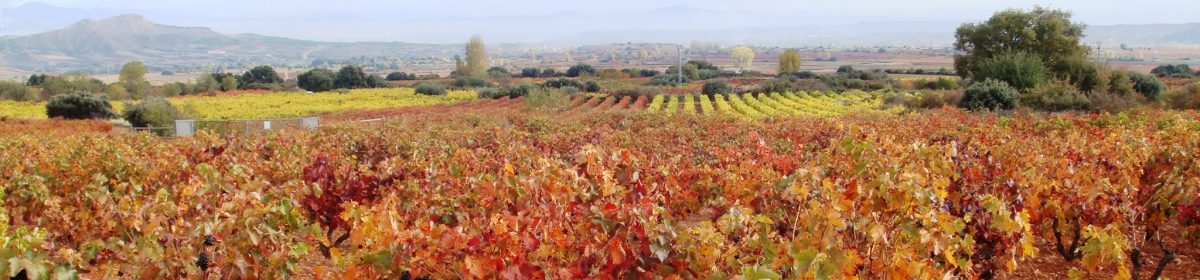
The Future is Bright, the Future is Orange!

THE FUTURE IS ORANGE!

In Cork Talk, I’m hardly likely to be talking telecommunications, the less so, knowing my ineptitude with most things technological! No, I’m talking about a ‘new’, or rather, re-invented (there’s evidence to suggest that wines of this style were made 5,000 yrs ago!) style of wine – dubbed, because of its colour, Orange Wines! Put simply, Orange Wines are made with white wine grape varieties (yes, Sauvignon Blanc et al) where, as with red wines, their skins are kept in contact with the juice (macerated), often for long periods of time.

Wine tasting is so much more fun when not alone! The lovely Claire-Marie (www.clairemarie.es) also enjoying the ‘Orange Wines’ of Juan de la Casa, Benissa, Alicante.

Whilst the colour of the wine gives its name to the style, this is not the main reason for this extra skin contact – the orange colour is a by-product. The skins of grapes destined to be made into wine contribute significantly to the flavour, aroma, structure, body and even feel of the finished product – not just the colour.

I was delighted to hear recently from my friend, colleague and fellow wine judge, Juan Manuel Gonzalvo, telling me that I really should visit Bodegas Joan de la Casa, which, coincidentally, is only a few kilometres! A quick phone call resulted in a late morning visit to the bucolic bodega, just off the N332 on the way from Benissa to Calpe, which is the now modernised (to a point!) HQ of his small, family winery.

Joan is driven! He is a great believer in the Orange Wine style and, although he also makes two red wines (watch this space!), all his white wines – are Orange!

Firstly, I think it’s best to put out of your mind the concepts of: White, Rosado and Red. Just as we can’t compare wine with beer, I don’t believe we can compare Orange wines with any of the others. It should be a category of its own as it’s so – well, different!

Nimi 2015, made, as are all the portfolio, from approximately 40 year old vines is a dry wine whose juice, as we’ve said, spends time with the skins. Fermented in stainless steel and kept with its lees, with very little stirring, the wine has an immediate aroma of mandarin skin with a little bitter marmalade in there too, developing into a floral fragrance with some nuts (hazelnuts/almonds?) as well. 8€

Because it’s such a different style, concept even, it looks like its oxidised or maybe a sweet wine, but it is neither. A wine with attitude, body and presence – made from white Moscatel grapes! Fascinating.

Nimi 2013 is older of course, pleasingly dry again,with longer maceration time, in fact about 20 days (unheard of with white wines!). Darkly coloured, which puts one in mind of an Oloroso or Amontillado (though that is where the similarity ends – this is no sherry!) there is a slightly more intense aroma of orange skins with mixed nuts & sultanas too, and even more presence on the palate. The wine, like the other, is also elegant. 8€

My favourite, Nimi Tossal 2015, is made with grapes grown on the summit of the hill nearby and so has had the benefit of cooler breezes during the day and more favourable temperatures at night. Fewer bunches are produced and the grapes are therefore a little richer. Juan determined that the combination of these factors would suit some oak!

Fermented in barrel after a long maceration, it rested for a further 12 months in oak, with its lees contributing to the finished wine. Everything in this wine is in perfect balance – it’s dry and fresh, there’s a little butter blending with panaderia notes and a very slight saline touch on the finish – I love it! Enjoy a glass on its own and have it with mixed and seafood paella; meaty fish dishes, including with sauce; pork, turkey; and various pâtés. 12€

The final Orange wine, also made with Moscatel, is a sweet one – but with that crucial fresh acidity. I thought it a masterstroke to serve this wine with dark chocolate, a super pairing! The harvested grapes are dried on matting, as was done in this area decades ago. The water content evapourates leaving a sweet deposit which is pressed and then placed in French barricas for fermentation, and to rest for 12 months.

On the nose some orange and clementine aromas with a tantalising caramel note too, as well as a touch of honey. Before you reach the dark chocolate stage, try this wine with Foie Gras and with cheeses, semi-mature and mature too, though, for me, not with blue cheese. 12€ (50cl bottle).

An excellent visit and my first foray into the world of Orange Wines – I’ll be back!

www.joandelacasa.com/en/

Contact Colin: colin@colinharknessonwine.com ; Twitter @colinonwine

Facebook Colin Harkness & read his blog www.colinharknessonwine.com/blog/

Sparklers from Langham Wine Estate, UK!

ENGLISH SPARKLING WINE FROM LANGHAM WINE ESTATE

The roses planted at the end of each carefully manicured, pristine row of trellised vines may well have been there to keep the plough horses from damaging the precious grapes as they turned to go back from whence they’d come, as our guide Caroline intimated. Though wet, the flowers were blooming and they further emphasised the beauty of the rolling green hills and indeed, vineyards, of Dorset.


Langham Wine Estate (www.langhamwine.co.uk) is one of the English Sparkling Wine producers who are making people think again, when it comes to English wine in general, and certainly, English Fizz. Langham’s is the brainchild of Justin Langham, whose working farm was and is, exactly that – working. Whether it was his interest in fine wine, or his business acumen, that led to his decision to turn some of his fields over to planting a vineyard (probably both!) doesn’t matter, because it too works!


As with all start up businesses, it’s a work in progress. There aren’t the millions necessary to make it all perfect in one fell swoop. Development has to be, as we say in Spain, poco a poco, but the business plan is being followed to the letter, driven by success!


Caroline, combining business experience in other fields with a barrel full of charm, is establishing a Wine Tourism Dept. Her idea of self-guided tours is proving popular, followed, as they of course are, by a tasting in the converted bucolic barn. We, though, were given the personal tour, which also ended in a tasting, claro!


Whilst English Sparkling Wine wants to stand on its own two feet and not be likened to Champagne, it’s impossible not to make comparisons – the more so when they are favourable! Using the same three main grape varieties as those grown in those hallowed French vineyards, planted in similar soils, Chardonnay, Pinot Noir and Pinot Meunier, Langhmam’s ‘Classic Cuvée’ 2014 is a lovely sparkling wine whose 9·5 grams of sugar per litre make it the driest Brut of the portfolio.


Grapes are pressed in whole bunches and fermented in a combination of stainless steel tanks and used French oak barrels. Malolactic fermentation followed, to take away some of that acidity, then the base wine was left on its lees for 6 months for some extra complexity in the finished fizz. The traditional method was used, of course, with the now bottled wine resting for a further two years before being released.


Pears and a little apple are on the nose, with some patisserie notes too, and the fruit follows through onto the palate where it is joined by some mature flavours indicating its pedigree!


Langham’s Blanc de Blanc, made with 100% Chardonnay, has seen most of the base wine fermented in barrel and there has been considerable further ageing after the secondary fermentation in bottle – a lengthy 48 months! There’s a slightly honeyed feel, as well as flavour, to this wine, though it’s not at all sweet. You’ll find a certain nuttiness, perhaps blanched, as well as very slightly toasted, almonds. Fruit-wise, there’s a citric note with mature pears in the mix too.


The Rosé is made mostly with Pinot Noir, blended with just 11% Chardonnay. Its gorgeous appearance does not flatter to deceive. You’ll find dark red rose petals on the nose with a combination of ripe strawberries and redcurrant, plus, endearingly, slightly under-ripe raspberry on the palate, giving the finish a lick of acidity and making the wine suitable for a range of foods.


The Classic Cuvée Reserve 2011 is a 50/50 blend of Chardonnay and Pinot Noir harvested from selected plots and subjected to strict quality control. The base wine is made from barrel fermented juice which is then bottled without filtration. After the second fermentation the wine is aged for 36 months on its lees, which accounts for the concentration, depth and complexity of the finished product.


Mature apple with ripe pear skin, a real depth and intensity, some understated brioche, warm bread notes and a long, long finish! A Sparkling Wine with presence. A perfect fit for the fine dining table – think Christmas Lunch/Dinner too!


PS Some seats remaining for our Musical Dinner with Paired Wines, and www.clairemarie.es , Saturday 25th November, Club Nautico, Moraira. Please e-mail colin@colinharknessonwine.com or call 629 388 159 to reserve!

Cava & White Wine for a Private Tasting!

PRIVATE TASTING – THE WHITES!


I’m delighted to say that each year, for the past five or so, I’ve been invited to present a wine tasting for clients of a rather prestigious business concern, here on the Costa Blanca. I’m given a budget, of course, but it’s a rather generous one and I’m therefore able to choose some of the best wines of Spain.


I also like to surprise tasters, as well as introduce them to wines from the local area, as I’m keen to let people know that Spanish wine doesn’t just equal Rioja. Judging by the reaction I receive after each tasting it seems that I’m doing a reasonable job in terms of the above, and, of course, in terms of wine pleasure too!


Tasked with providing a bienvenido/reception sparkling wine, there is, of course, a plethora from which to choose, and it’s here that I went slightly off-piste. I chose a cava. Nothing revolutionary about that of course, given that cava is the best known of all Spanish sparklers and one that can easily rub shoulders with the best fizz in the world. However, its provenance, was the surprise.


Cava Via de la Plata, Coupage, Brut Nature is made in Extramadura – just about as far away as possible from Cataluña, where roughly 95% of cava is made! This wine, made with Macabeo and Parellada is perfectly dry to accompany the cheese, jamón Serrano and chorizo served before the tasting proper. It’s refreshing and celebratory, as we’d expect, but it also has a little depth from the extra time aging ‘en rima’. (https://bodegasviadelaplata.es/en/)

Then, in the tasting room, the cheek of it – I did it again, this time a Brut Nature Reserva, made with Chardonnay, from the same winery! And why not – this winery really is a trailblazer for cava makers who craft their fizz from outside Cataluña. A medallist in the 50 Great Cavas competition, and indeed the 50 Great Sparkling Wines of the World competitions, it goes to show that with dedicated wine-makers, doesn’t have to come from the North east of Spain. Rounder and fuller than the above, the Chardonnay making its mark, this reserva cava has had 32 months en rima – a super sparkler!

At this annual tasting we always like furnish clients with a comparison wine – so another cava was required! Perhaps feeling sorry for Cataluña, I chose a cava from the area, and oh what a wine! Varias Cuvée Clàssic Gran Reserva Brut Nature has a lovely pale gold colour in the prettily labelled bottle. Despite its age, it’s as lively as young’n – with all the fizz of the fair, but hold it on the palate and let its body impress you! After just under four years en rima this wine has developed the presence of the elder statesman. Full, yet elegant – it’s excellent, and also very well priced! Available Vins y Mes, Javea Old Town. (http://www.cavavarias.es/en/).

Readers may remember my article about Celler Alimara, El Senyal Blanc 2016 in January. I was so impressed with this nascent bodega’s first five wines, I decided to use one of them for this prestigious tasting. The oak from its six months in large foudres blends perfectly with the blanched almonds, citrus notes, and banana, that’s skin and fruit! There’s a slight creaminss too, following it’s time on its lees. (http://celleralimara.com/es/historia/)


Unfortunately, the white wine I’d chosen for a comparison, normally an excellent, fruit driven wine, with an interesting story as well, was faulty! It happens – I’m just hoping it doesn’t lead to the sack for me!


Reds next week!


NB I have arranged a super two day trip to Jumilla, to visit two excellent bodegas for tours, tastings and lunch, with an overnight stay and dinner at the luxury Hotel Casa Boquera, which sits in its own vineyards! This Gourmet/Wine short break is 25th – 26th April and I now only have 10 places available! To reserve and for more details please call me asap on 629 388 159; or e-mail colin@colinharknessonwine.com

Casa Rojo

CASA ROJO FOCUSSING ON

MONOVARIETALS AND THEIR TERROIRS


Viewing the labels of the portfolio of wines made by Casa Rojo is akin to a visit to a contemporary art gallery. This innovative bodega, whose base is in Jumilla, but whose peripatetic winemaking spreads across the length and breath of Spain, is clearly very interested in design – and, of course, its impact on consumers.

With so many wines from which to choose the consumer can become baffled at times (unless she/he is a regular Cork Talk reader of course!), so marketing becomes imperative. There are several studies that have proven that labels sell wines, but as I’ve said before, the label design will sell one bottle – it’s what’s in the bottle that will determine whether the consumer returns for more!


Well the hip young team at Casa Rojo (www.casarojo.com) have it correct, from both angles! It’s clear that the design team are working harmoniously with the winemaking team – and it’s certainly a bodega to which I’ll be returning. These wines are top quality!


I also love their winemaking philosophy. It is their avowed intention to make wines that represent the different terroirs in which the vines grow, as well as the individual characteristics of the varieties used, for each of the monovarietal wines they craft.


I was recently sent three examples from their nine wine range and I’ve enjoyed them all.


If you’re going to make wines that are representative of what’s on offer in Spain – you really have to make at least one sparkler. And, given that the world’s year on year demand for fizz is incessantly increasing, it’s not a bad business idea either! Plus, if you can have an added dimension of interest, all the better.


Moltó Negre Cava Joven is made with Trepat, one of the lesser known varieties permitted by DO Cava. It’s a black grape, but used here to make a ‘white’ cava, termed on the Casa Rojo website as a ‘Blanc de Noir’. This is a style of which I’m very fond, and I certainly enjoyed this wine, which has everything required of a young cava – freshness and celebration, plus a little more depth than can often be found. The black grapes add raspberry and loganberry aromas and tastes. However, when seen in the glass I would describe it as more of a pale Provencal style rosado, than a ‘white’ sparkling wine. No matter – it was a lovely start!


Readers may remember that I’m quite an advocate of white wines from Galicia, made from the Godello variety. Although Godello is grown in several DOs in Spain’s North West, it’s DO Valdeorras that is considered by many to be its natural home.


Casa Rojo’s ‘The Orange Republic’ is a Godello monovarietal whose white stoned fruit aromas and flavours are ‘blended’ with a little jasmine fragrance as well as slight whiffs of fennel. The vineyards of DO Valdeorras have granite soils often strewn with both above and below surface slate. It’s a combination that adds a definite minerality to the finished wine, whose five months on its lees give a slight creaminess to both mouth-feel and flavour, contributing also to a lengthy finish! At just under 20€ it’s not cheap, but it is serious quality!


And from Casa Rojo’s actual home, DO Jumilla, comes an exemplary Monastrell wine which is big and bold, yet elegant too. Machoman Monastrell is an award winning wine which delights with its plum/damson fruit, laced with ripe strawberry notes, an earthiness, liquorice, some wild bay leaf and traces of dark chocolate! It has a mouth-filling roundness that one might at first think comes entirely from its 6 month in French oak.


However, when the wine is held on the palate for a while, there is something else there, a hard to define tribute to more ancient times! This wine has been fermented in 7,000 litre clay amphorae, specially made in Rome for casa Rojo, prior to its further development in oak. Outstanding!


Contact Colin: colin@colinharknessonwine.com Twitter @colinonwine

Facebook Colin Harkness Youtube Colin Harkness On Wine.