Wine & Music Pairing

castaño logo

NEW!!

An exciting event to be held at Bodegas Castaño, DO Yecla. A classical (and contemporary) music/wine pairing evening!

The exact details are to be confirmed and all arrangements are being made by Bodegas Castaño. Mine will be a support role – the stars will be the excellent wines of Bodegas Castaño paired with the wonderful music of Dolce Divas (www.dolcedivas.net).

The date is Saturday 26th September – for  more details watch this space (and/or join my e-mail list for regular updates re Spanish wine related events).

Gracias

Vino de Pago Vera de Estenas

VINO DE PAGO VERA DE ESTENAS

ELEGANCE BORN OF TOIL

BOBAL FELIX BODEGA

It’s inevitable, of course. For all of us, there are always going to be invitations to events that we’d dearly love to attend, but are unable so to do as there is a diary clash. Perhaps an invitation received only a few hours before, or maybe one, a wedding for example, that has been written in stone for a year! It’s frustrating.


We often have to juggle priorities, importance, obligations, time, even costs and ease along with what, privately, we’d actually rather do. A social minefield.


In fact there were two reasons, both wine orientated (what else?!), for my being unable to arrive at a rather special event in May of last year. An event attended by the local, regional and national press, one that I would not like to miss!


May is always busy, being right in the middle of my ‘season’, that time of the year when I am heavily involved in all manner of wine related events. Over one weekend I was judging the annual DO Yecla Wine Competition and attending the presentation evening, with an early start the final day as I was presenting a tasting in DO Bullas, a good drive further south.


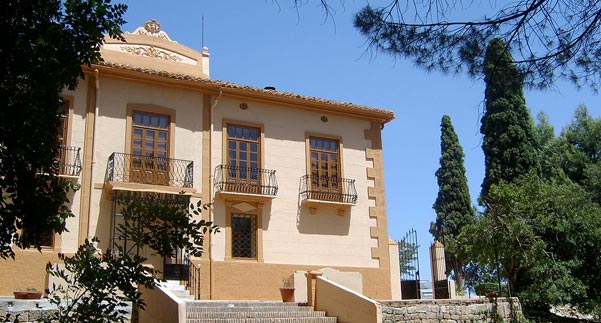
Yep, you guessed it, the very weekend when I was invited to the launch of the first wine from Spain’s newly inaugurated Vino de Pago, Vera de Estenas, a triumph of toil, terroir, passion and know-how, for my friend Felix Martínez Roda! Blast! I really wanted to attend all three events, but committed myself in order of the receipt of the invitations, of course, and although, ordinarily the invitation to Felix’s prestigious event had been sent in time, the others had arrived first.

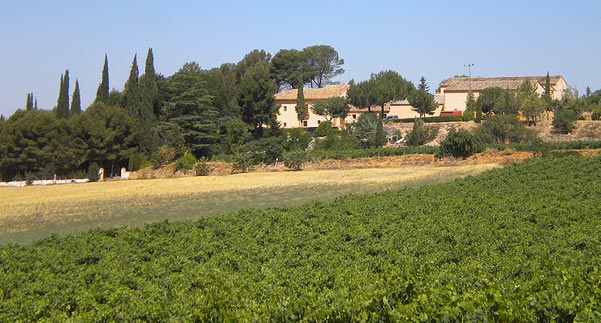
Subsequently, because of my absence from the celebration up in the 700 metres above sea level hills surrounding Requena, inland from Valencia, I have received a sample of  both the first wine to be made under the auspices of Vino de Pago Vera De Estenas and indeed the second. Both are outstanding!
FELIX FINCA

Firstly though – what is a Vino de Pago? Well, for a start I haven’t tasted a Vino de Pago that wasn’t ‘exceptional’ – that’s the nature of the beast!


The comprehensive Spanish Wine guide, Guía Peñin defines VP wines as coming from “a single winery, and it is a status given to that winery on the grounds of unique micro-climate features and proven evidence of constant high quality over the years, with the goal to produce wines of sheer singularity.”


Wikipedia defines Vino de Pago as “  . . (sometimes also referred to as Denominación de Pago or DO Pago) is a classification for Spanish wine (similar to the French appellations) applied to individual vineyards or wine estates, unlike the Denominación de Origen (DO) or Denominación de Origen Calificada (DOCa) which is applied to an entire wine region. The Vino de Pago classification was introduced in 2003 by a decision in the Cortes Generales, the Spanish parliament, to help further improve the quality of Spanish wine.”


“The quality requirements for a Vino de Pago correspond to those for a DOCa wine, and wine estates that are classified as Vino de Pago are subject to separate requirements rather than those of the wine region where they are located. One of the requirements is that the estate may only use their own grapes for their wines.”

In fact Guía Peñin defines Vinos de Pago wineries as having the same status as Denominación de Origen, whereas Wikipedia above, elevates them to the top category, DOCa, Denominación de Origen Calificada. I side with the latter.

Over the years I’ve seen what goes into the eventual acknowledgement of VP status – huge effort, tireless energy, responsible and honest self-criticism, a foundation of good quality and a striving to improve year on year. Plus an adherence to super-strict rules and regulations, with both wines and bodega subject to announced and unannounced tastings/inspections. VP status is neither lightly given, nor easily retained!

When introduced, the new regulation met with particular interest in Castilla-La Mancha, where the first Vinos de Pago were created. Although never articulated, perhaps for fear of being ostracised, the VP concept, in this area of massive production, not always quality orientated (La Mancha is the largest wine producing area in Europe), was, I think, a god-send for those bodegas thus located which wanted to escape being tarred with the same also-ran wine brush.

The twelve years between have seen the status of Vino de Pago bodegas and wines elevated even further. It is no longer true to say that VPs are the result of making wine in an area where the general level is poor, with bodegas wishing to escape the bad publicity that can arise from such a fact. Felix’s bodega is situated within DO Utiel-Requena, whose quality level is high, with some outstanding bodegas. Indeed, Felix still makes fine wines categorised as DO Utiel-Requena, and he’s proud of it too!

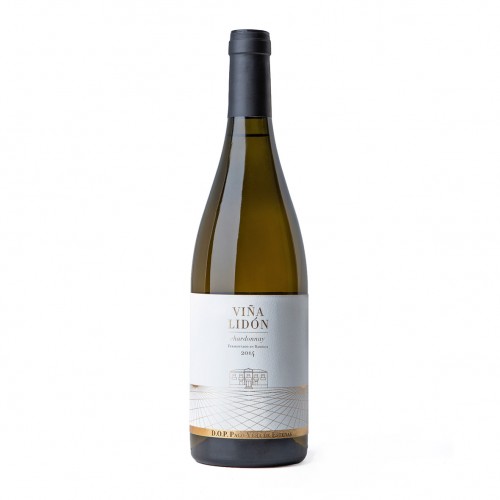
The second wine that Felix produced under the Vino de Pago banner is a white wine. It’s no wonder that his first VP wine is red, coming, as it does, from an area long known for the quality of its reds. It’s also no wonder that Felix’s Chardonnay is elevated to VP standard. Remember the phrase above, “ . . proven evidence of constant high quality over the years . .”!

I’ve had the pleasure of tasting his Chardonnay fermented in barrel with a short ageing in oak too, for many years now. I’ve always enjoyed it (even when bottled years ago in those, for me, wholly inappropriate, Blue Nun style bottles!). I have a glass of his VP Viña Lidón Chardonnay 2014 in front of me now. It’s delicious!
vinalidon_veradeestenas-500x500

Banana skin on the nose as soon as the wine is opened, soon evolving to freshly mashed banana aromas with a refreshing citrus zing and a nutty (blanched almonds) element too. On the palate there’s a delightful balance with classic Burgundian elegance and subtlety to the fore, with understated exotic New World fruit. Lovely!

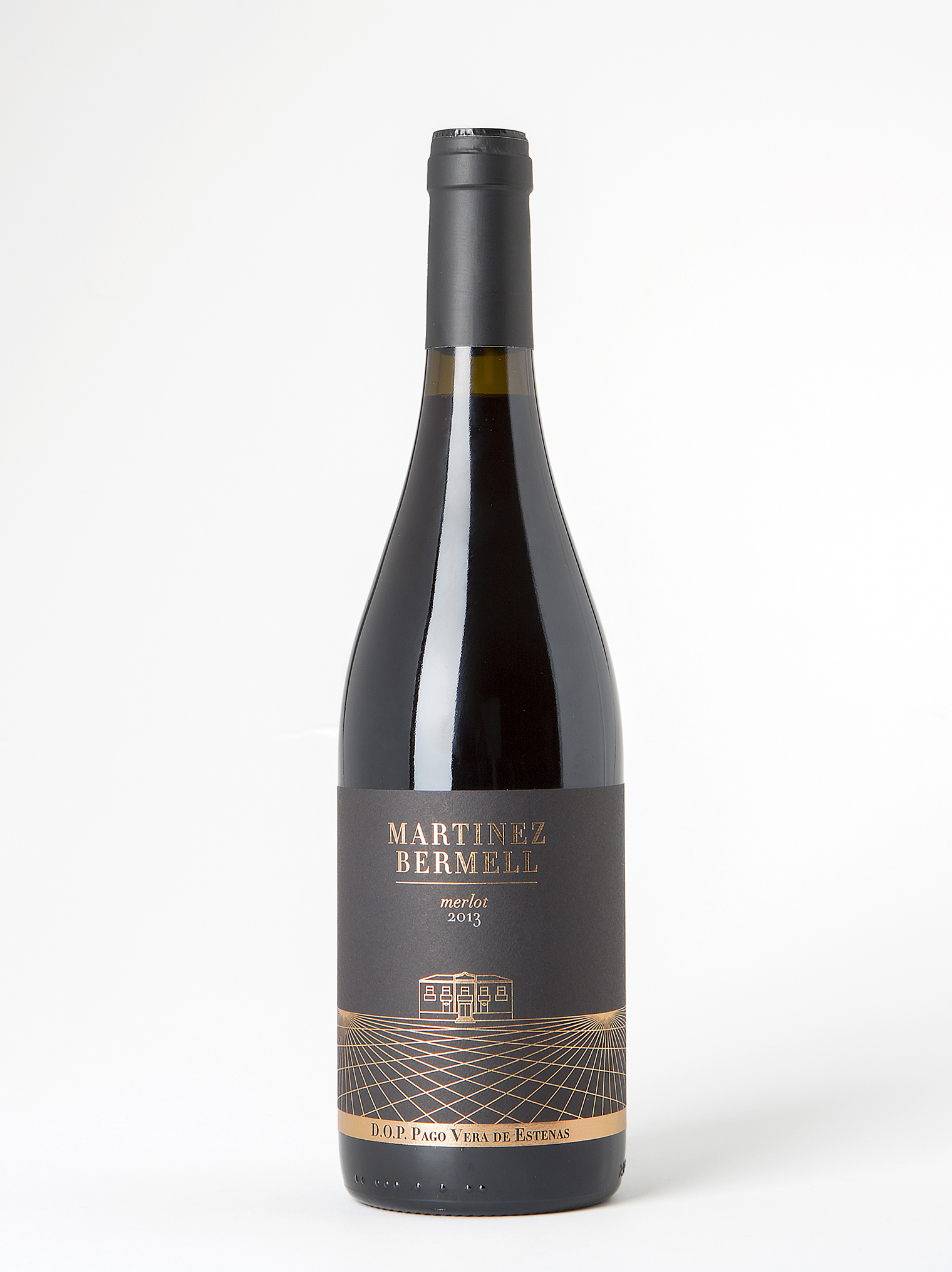
Martínez Bermell Merlot 2013 is Vino de Pago Vera de Estenas’ first wine and will, I’m sure, be seen in years to come as a flagship of the area from whence it came, and indeed of the whole concept of Vinos de Pago. A careful crafting of elegance and subtlety, full flavour and lasting power; of violet and deeply dark rose petal fragrance with juicy plum and blackberry fruit; of earthy, undergrowth minerality with layered pleasure and complexity.
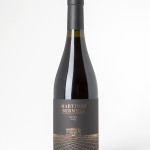
MARTÍNEZ BERMELL MERLOT 2013

www.veradeestenas.es

Contact Colin: colin@colinharknessonwine.com and through his wine services website www.colinharknessonwine.com , where you can also subscribe to his newsletter (free of charge, of course) and therefore have first-hand and early news of the various wine events he organises, most of which are sold out very quickly! Plus you can also follow him on Twitter @colinonwine for the latest on the Spanish Wine scene!
La Vie En Rosé

LA VIE EN ROSÉ

PROVENÇAL ROSÉ – VARIATIONS ON A THEME?

rosé lots

     Well, no, actually – colour-wise, they’re all the same!


Let me firstly say that I am a keen fan of Provençal Rosé. During our very recent Provençal sojourn I tasted well into double figures of different wines and whilst I had my favourites, it’s true to say that I enjoyed them all.

There’s nothing quite like tasting iconic wines in situ. This year (summer 2015) there have been record temperatures to go along with a record number of sunshine hours. So much so that wine producers will be picking early this year as the grapes are reaching optimum maturity and ripeness at least a week earlier than has been normal for decades.

Indeed I know of one producer who has serious concerns about the survival of the new vines he has recently planted, because of the climate change and, of course, its attendant lack of rain. It’s all very well for the teeming tourists, but for farmers there are serious worries.

Now, a change of tack – but the course will revert back to the Rosés of Provence.

rosé 1

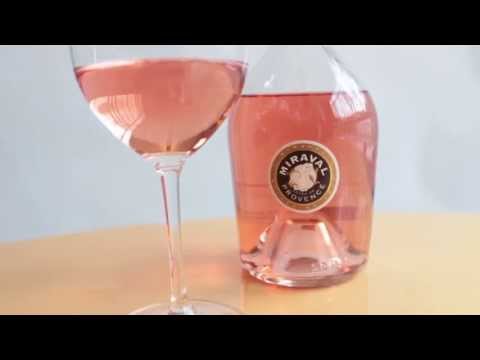
I was at a major wine tasting earlier this year where I was talking to a Spanish producer whose wine’s I’d just tasted. One of them was a very pale pink rose petal coloured rosado which I enjoyed. I asked him about the rather dramatic change in colour, considering the rosados that they have produced in the past, which I’ve also enjoyed.

As I expected he replied that this colour change was a response to the current world-wide demand for rosado wines made in the Provençal hue, the very pale pink that is so typical of rosé wines from Provence.

An interesting, similar experience occurred at another tasting this year where a producer was presenting the bodega’s first rosado of the same pale hue. It was ironic, for me, that there were far more negative comments about this wine than positive, from the Spanish tasters. In some respects Spanish consumers are a step behind what’s going on in the rest of the world, re wine. (Another example is Spain’s delay in embracing screw-top bottle closures).

rose 3

The pioneering bodega which had decided to launch this new (for Spain) shade of rosado was also responding to the international demand for oh-so-pale rosé. They sell all over the world and were not surprised that the wine wasn’t (as yet) popular in their area, and indeed in Spain in general. A profit in his own country . . . .

Today (2nd week of August 2015) I received my copy of what is for me Spain’s best wine magazine, PlanetAVino, whose largely pink front cover suggested that there was a major article about rosado wine inside, before the headline confirmed it. A sub-heading in the article itself reads: “Clarete, Rosado y ahora, Rosé” – (Clarete, the very darkly coloured style of Spanish rosado; Rosado, the various and many variations on the ‘pink’ theme; and now, Rosé – essentially referring to the very pale, Provence style rosés). ,

The article’s author, the owner-editor of the magazine (as well as the excellent Guía Proensa, Spanish Wine Guide), Señor Andrés Proensa is making the point that now in Spain there is a huge choice of rosado wines, in terms of grape varieties, of course, some of which include white wine grapes, as well as in colours.

rosé 4

And this is where our two tacks converge. There are many different grape varieties used for Provençal Rosé wines (this number is smaller than those for Spain, of course, as Provence is a relatively (to Spain as a whole) small area of production. However, though I’m no artist and cannot really note any infinitesimally slight change in shade, when it comes to the colour of Provençal Rosé, they are all the same!

On supermarket shelves there is a vast array of rosé wine in Provence – understandably, as in the towns and villages there are signs proudly claiming that they have a 2,600 year history of making such wines! But, in terms of colour – there’s practically no difference!

I’m sorry, mes amis, but as a spectacle, it’s boring!

rose 6

I just wonder if there is a producer in Provence who has the guts to break the mould, like the two Spanish producers mentioned earlier. A revolutionary who is prepared to take some flack, who wants to make rosé of the same undeniable quality as that which is made already, but, for heaven’s sake, rosé with some colour in its cheek!

I know – the answer is a rhetorical question: ‘Why change a winning team? If it aint bust, don’t fix it!’ Plus, of course, the evidence in the international market suggests that this pallid rosé is what the consumer demands. Our two Spanish pioneers (along with a few others who’ve also always made their rosado in this style, regardless of fashion) have decided to [join ’em] rather than try and [beat ’em]. So Provençal producers must have it right!

Well, let me leave you with a thought, alluded to already in the paragraph above – consumers are notoriously fickle. The international demand for pallid-pale coloured rosés is nought but a fashion. A mode that will reach its zenith and then, like colour in the wine, fade. As with many fashions it will come again, but for me, it’s variety as well as quality that counts.

This is where Spain (see above) wins out!

rosado lots

Colin Harkness

August 2015

BODEGAS GODELIA

BODEGAS GODELIA

DO BIERZO


As I write, experiencing temperatures of 33ºC+ on the Costa Blanca, I think of lovely, aromatic, flavoursome, well chilled white wine. Well, don’t you?


I’m not one of these people who think between the blinkers only – white is for summer, red for winter, and maybe rosado for in between times! I enjoy a chilled glass of white wine whatever the temperature; and I love Spanish reds throughout, when served below the ambient temperature.


I’d love to reach for a glass of a Godello based wine right now (please visit www.costa-news.com click Cork Talk and scroll down to my recent thoughts on this super Spanish white wine variety), but I’ve run out of Bodegas Godelia’s Sparkling Wine as well as their still dry, which also has a small percentage of Doña Blanca in the blend. I’ve really enjoyed these wines and I’m certain you will too!

GODELIA LOGO

Bodegas Godelia makes it’s wines under the DO Bierzo umbrella. Situated in the North West of Spain, the finca is as traditionally built and designed as are the wines, which have their roots in a proud history of wine-making, but which also make use of more modern technology. The philosophy is simple – great respect for the land in which the wines grow as well as to those growers and wine-makers who have come before the current incumbents, with a view to a sustainable crafting of fine wines that  speak of terrior.


It works!


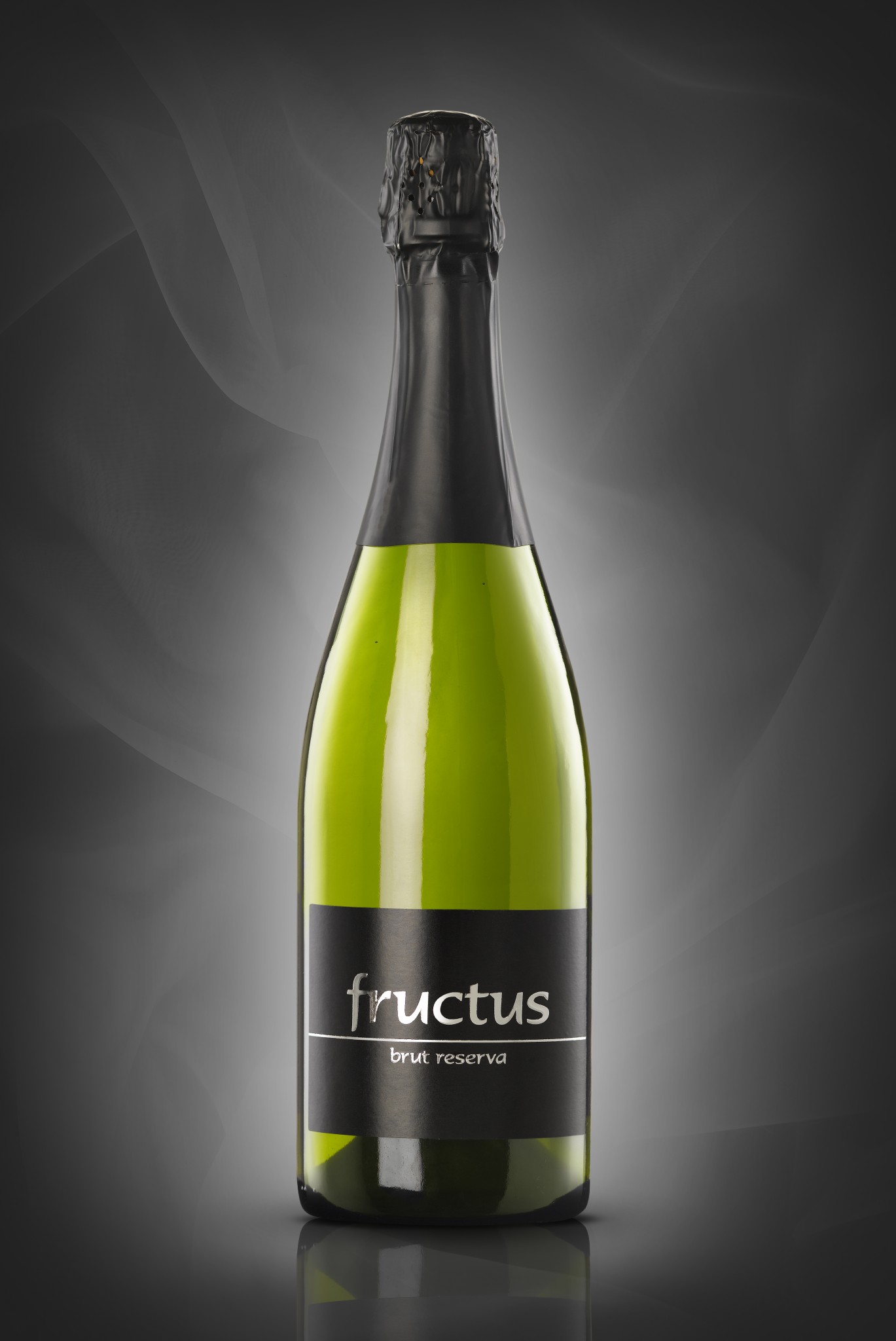
Fructus (don’t try saying that when you’ve had a few!) Brut Reserva Sparkling Wine does not carry the official DO Bierzo logo, but don’t let that be a concern. The reason for this will be that fizz is not officially recognised in the DO. Or, perhaps I should say, is not yet recognised! This limited production Sparkling Wine should be the flagship fizz that persuades DO Bierzo to think again, as well as suggesting that other bodegas follow suit and make some too!

fructus

For me it emphasises just how good, and versatile, the Godello grape variety can be. It’s time for Godello to escape the shadow of the neighbouring Albariño variety and step up to the plate. I’m confident that it will also be elevated to the stature of one of the noble varieties of Spain. I’m certain too, that once the thought nestles in the psyche of wine-makers in the area (and in DO Valdeorras, where Godello is queen), Sparkling wines from Godello will become as popular as those made from Albariño in nearby DO Rías Baixas!


In the glass there is a golden tinge to the wine, a product of the variety, and its extra time spent ‘en rima’, in bottle with its lees. This extra time with the lees (20 months) also gives the wine greater structure, depth of flavour and a certain endearing creaminess. You’ll find white peach on the nose as well as a delicate floral fragrance which adds elegance to the wine as you bring it to your lips.


On the palate, you’ll notice a certain weight, another attribute, courtesy of its time ‘en rima’, but this is not at the cost of freshness and indeed, vivacity. Typical bready pastry notes found in most sparkling wines also give a little fullness to the wine without taking away any of its elegance. I love it – but there are only 2,000 or so bottles made, so it’s first come first served!


Godelia Blanco is made from Godello too, but here there is a significant contribution from the other local variety, Doña Blanca. 20% of the blend is this latter variety, harvested from vines that can count 60 – 80 seasons. The grapes are accordingly rich and full of character, giving a great depth to the wine as well as some complexity and weight.


The wine is correctly clean and fresh, of course – however, there’s more to this than just a refreshing acidity. This is the stuff of quality white wine, a height to which many aspire but fail to reach. This is why there is such a world of difference between ‘entry level’ wines and those for which we pay a little more, but which repay consumers several fold!


In the glass its brilliance will attract, along with the straw colour showing bright flashes of lime too. There’s a citrus element to the wine as well, both on the nose and the palate. Look also for a slight herbal note, thyme perhaps, with a faint note of fennel, typical of Godello, and some understated stony minerality. There’s also a very slight blanched almond note, both on the palate and the nose.


Dry, of course, but fruit rich – the citrus again with a little peach and the faintest whiff of something more exotic, was that mango? A lovely drink – ideal aperitif, particularly in this heat, but also fish and seafood friendly and salads too. Try it with lemon chicken sometime too – super!


Whilst Godello may be the darling white wine variety of DO Bierzo, the area is probably more famous for its distinctive reds, made with the uniquely flavoured and fragranced Mencía. Bodegas Godelia’s softly spiced Mencia has had a well-timed 12 months in French and American oak.


The grapes have come from old vineyards and are harvested by hand with this careful selection augmented by another on the selection table back at the bodega. There are three different vineyard plots and the grapes from these different plots are blended together in proportions that can change from year to year. The wine is therefore a reflection of the whole ‘terroir’ as each plot has its own characteristics.


There’s the faint minerality referred to in the white, but a little more so in the red, indicating perhaps that the 2011, the sample that I tasted, had a slight bias to grapes from a more slate and stone orientated vineyard. The wine has elegance and complexity, with some deeply layered flavours of damson and forest fruit. And it’s this fruit that will be the lasting memory as you drain, first the glass, and finally the bottle.


We enjoyed it with a pork dish, rich in a creamy cider apple sauce, which it complemented perfectly, allowing the meaty cider notes to form a perfect liaison with the dark fruits of the wine!


www.godelia.es – well worth a visit!


Contact Colin: colin@colinharknessonwine.com and via www.colinharknessonwine.com where you’ll also be able to subscribe (gratis, of course) to his newsletters which give information about the various wine related events he organises. You can also join Colin’s 850+ followers on Twitter –

@colinonwine