Articles

In the Rolling Hills of DO Navarra!

BODEGAS AROA, NATURALLY!

I recently received a selection of four most enjoyable wines from DO Navarra, by a rather circuitous route!

My great Welsh pal, Geraint (not colloquially known by that name – bet you can guess what he’s actually called!), has a passion for Italian wines, reds in particular. However as a lover of wines in general as well, he’s certainly not averse to trying others.

As a gastronome (actually, he’s a little taller than a Gnome, but it’s close) and first class Rugby Scrum Half, playing for Liverpool, Cheshire and Lancashire, Taff has travelled a lot, and each place he goes, he always likes to sample the food, and the wine. He’s a great cook too.

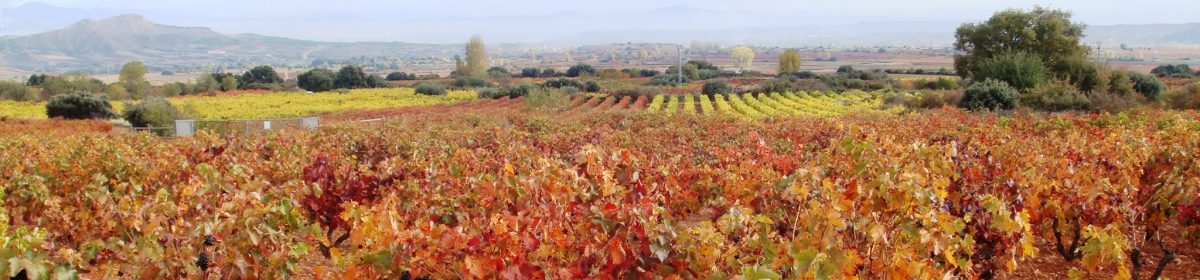
So, when he Whatsapped me asking about Le Naturel, a Spanish red wine he’d found and really enjoyed in the UK, I knew it would be well worth investigating – and not wholly altruistically, either! The trail ended at Bodegas Aroa, in the rolling hills of DO Navarra, an area of production about which I have written recently, one that is now attracting the attention it deserves.

Le Naturel has a sister, Le Naturel Blanco, made from Garnacha Blanca grown at altitude. Being honest, it was quite a shock – the initial piercing acidity had a chef’s knife-like quality, so sharp was it, almost bringing tears to my eyes! If perhaps thinking steely dry Chablis, triple it and think again!

Le Naturel Blanco, for me, is not an aperitif white wine, but I doubt it was made to be so. That evening we had a fish pie with a rich, creamy, anchovy and baby eel sauce, it cut through the sauce with consummate ease complementing the dish perfectly. I saved some for the next day’s rich, mixed seafood and rabbit paella, and although dressed with lemon wedges, we didn’t need them – the wine balanced the opulence of the dish, nicely.

Le Naturel red, is in fact two wines – there’s one which is 100% Garnacha, the other Garnacha yes, but with the addition of ‘other varieties’. I was sent the latter, and greatly enjoyed it as a wine to enjoy with friends and family as well as with meat dishes – I’d also love it with duck. Don’t tell our French friends but this would be so good in Dordogne!

Taff wanted me to give him my opinion – here’s how I described the wine: Rich, dark red in colour with leafy brambly notes on the nose on first pouring, developing into blackberry fruit aided and abetted by blueberry notes and a brief reference to mountain herbs. Smooth and quite opulent on the palate with a seductive, juicy medium to long finish. I think that says it all, except – when you see it buy it!

There’s also a rosado in this range, which I’d like to try sometime, but there’s a further range from Bodegas Aroa, eponymously named, two of which I was also sent, and also enjoyed.

Aroa Jauna Crianza 2015 is made with Cabernet Sauvignon, Merlot, Garnacha and Tempranillo (some of the aforementioned ‘other varieties’ I guess?), and it’s a lovely smooth red wine with balanced tannin retaining some freshness and drinking perfectly – a red wine for food as well as just on its own. Like the whole Aroa portfolio the vines are grown organically, perhaps accounting for the brightness along with the altitude of the vineyards.

Dark red fruits, blackcurrant and blackberry, with a little menthol on the nose too. Its 12 months in oak has added depth to the wine and a little complexity, with some faint dark chocolate notes and a slight nod at liquorice in there too. Drink now and for maybe 6 months.

Aroa Mutiko is another low intervention wine from this bodega which is making modern style wines which also pay their respects to the history of Navarra and the traditions of the winemaking scene. This is made with 100% Garnacha, so it’s a little lighter in colour, and the 10 months of oak ageing makes a slightly lesser impact than the Jauna above.

I was very interested to read the writing on the cork: This wine contains – 1,425 hours of sunshine; 62 days of rain and snow; 11 nights of full moon; 365 days of work; 20 centuries of tradition; and 1 kilo of healthy grapes! Cool – I love it! Info like this gives the consumer a real link to the vineyard that provided the grapes, its climate conditions, the work involved in making the wine and the winemaking history of Navarra. Bravo.

Furthermore, this wine was my equal favourite in a strong group, equal with Taff’s Le Naturel. It’s elegant and subtle drinking brilliantly right now and with some time left too. Great, inexpensive wine!

Bodegas Aroa is part of the Vintae Group about which I wrote when they launched their new business quite a few years ago now, in Barcelona at the Alimentaria Food and Wine Fair, when it was in its heyday. I was impressed then, and I’m very interested to see that they have developed and expanded so well! Bravo, de Nuevo!

Facebook Colin Harkness  Twitter @colinonwine  www.valleyfm.es

www.colinharknessonwine.com  colin@colinharknessonwine.com

Please don’t forget my monthly Wine Show on www.valleyfm.es – it’s always the First Saturday of the Month, from 12:00 hrs – 13:00 hrs CET. You’ll find some great wines tasted on-air; top music; fun chat; and lotsa informal wine info! Hope you can join us soon!  

WINES FROM PAGOS DE ARAIZ, DO NAVARRA

These days Navarra’s stock is up, following some time in the vinous doldrums while nearby glamrock Rioja, stole all the headlines . .

BODEGAS PAGOS DE ARAIZ

DO NAVARRA

Part of the Masaveu Bodegas Group, Bodegas Pagos de Araiz somehow popped into my e-mail in-tray recently. Intrigued by the wines they were promoting, I contacted them to find out more. A few days later, a very pale rosado and two dark red wines born in Denominación de Origen, Navarra, arrived, with accompanying information!

These days Navarra’s stock is up, following some time in the vinous doldrums while nearby glamrock Rioja, stole all the headlines. Driving from the Costa Blanca to Rioja the easiest route takes you through Navarra, the wine producing area with a history of making wine for king and court centuries ago. You’d be missing out if you simply drove on.

The saviour of modern Navarra wine is their ancient variety, Garnacha, oft mentioned in this column, the more so now that winemakers sensitive to its needs are giving it the attention it deserves. Nowadays, Garnacha is not seen merely as a cash cow, pile it high and sell it cheap variety and consequently it is responsible for some super reds.

However, black grape varieties are not responsible for red wine alone, of course, and the first Pagos de Araiz wine I tasted was their oh-so-pale rosado, quite a contrast in shades to their other rosé wine. Very pale pink wines are de rigeur right now so I’m sure it’s a marketing decision – but that doesn’t matter, it’s a good wine in its own right.

Now, if you like your rosado to be very dry, as I do, then this is for you. There’s a fresh acidity on the palate, following very pale pink rose petal aromas intermingling with soft red fruits. As I write, we are planning a fish and shellfish paella for Easter Sunday’s main meal – I wish I had some of this rosado left, as it would be a perfect match, cutting though the richness of the rice and pairing so well with the prawns and mussels!

We did enjoy it with a fish dish, mixed fish pie in fact, and it was just right – plus I really enjoyed it as an aperitif, even supplanting my usual sherry! Now that says a lot!

There were two reds, only one with Garnacha in the blend, though playing a lesser role, just 20%, in their Roble, moving over for Tempranillo (50%) and Merlot (30%). One of the wines selected to represent Navarra’s best wines of 2020, it fits snugly in that slightly oak aged ‘roble’ category.

Dark in the glass the fruit comes first to the nose, with initially only a passing reference to toasty notes coming from the American oak. The aroma develops as it breathes, there’s eucalyptus and some liquorice with blackberry fruit. On the palate, it’s the fruit that takes over while the wine warms the palate with its 14.5% abv. Then, as you swallow this silky wine gives a slightly robust reminder that this is a wine to enjoy on its own, yes, but also with some light and dark meat dishes. It’s BBQ wine for sure, finishing with a touch of bay leaf  and still that brambly fruit.

The Pagos de Araiz Crianza eschews the traditional Garnacha altogether, preferring instead the Spanish variety, Tempranillo (also traditional to Navarra), surrounded by French grapes, Cabernet Sauvignon, Merlot and Syrah – entente cordial, but across the Pyrenees! Call it what you like – it works.

There’s a brooding liquorice and slightly tarry nose when the bottle is first opened, then the oak in which it has been aged for just short of a year, makes its presence felt, adding some toast, coconut and vanilla to the perfume party. As the oxygen impacts the wine in the glass the aromas reassemble, with blackcurrant and some spicy blackberry coming to the fore – and staying there, to be joined by a very slight menthol aroma too.

The separate varieties were harvested individually, and kept apart during fermentation too. Then, again on their own, they were aged in either French or American oak, with the final blending before bottling. There were a few more months left in the cellars before release so that all the component parts could meld together. BBQ, yes, but also steaks, roast beef, roast leg of lamb and wild boar casseroles – yes, this will fit the bill!

http://www.bodegaspagosdearaiz.com/en

NB my next Free Facebook Live Wine Tasting will be Wednesday 29th April, 6pm in Spain, 5pm UK. Care to join me? All you need to do is ‘friend’ me on Facebook and then seek me out at six!

Facebook: Colin Harkness  Twitter @colinonwine

www.colinharknessonwine.com  colin@colinharknessonwine.com

www.valleyfm.es (next Wine Show, Sat 2nd May, 12 noon (Spain time)

Inspiring Wines from South West France!

MAISON VENTENAC

Well, after 23 years writing mostly about Spanish wine, I have to admit that it was a total, though most welcome surprise to be acknowledged by the French, by having a wine named after me! Merci beaucoup, mes amis!

L’idiot, is a red wine from near Narbonne, South West France, made with Merlot, despite the comment of one of the main protagonists of the film, Sideways (referred to on the labels with appropriately placed asterisks!). In fact, the name of the wine actually refers to the character who makes the, less than pleasant, comment, about Merlot, one of the great grape varieties of France, and not about me at all! Not sure if this is a let down or a comfort!

There’s a hint of rebellion about the naming of the wine, as well as its making too. Maison Ventenac (http://maisonventenac.fr/en) goes further though, the whole range of several of their wines are known collectively as Les Dissidents, and this makes them all the more attractive for me! The gloves are off, along with the blinkers – these wines don’t conform to the norms of the area, or to those of much of France in general. Most of us love a rascal. I know that when I was teaching I usually got on best with the likeable rogues. I’d like to meet this rebellious team one day, Stéphanie and Olivier Ramé – in the meantime, I’ll just enjoy their wines!

This really tasty, almost succulent wine is fermented in concrete tanks, using natural wild yeasts growing in the vineyard without the addition of sulphites. The cap that forms at the top of the tank, made from the Merlot skins is punched down in the first few days and the juice/wine underneath is pumped over the skins to ensure good extraction of colour, tannins and flavour in the finished product.

After fermentation there is a further maceration with the skins for ten days, followed by malolactic fermentation and three months ageing in concrete. When ready, the wine is then bottled with a light filtration.

A juicy, fruity wine with a little eucalyptus on the nose joining the blackberry and light plum fruit. Its slight ageing gives it some presence on the palate – if drinking this wine without any knowledge of it, it would pause conversation a moment or two as you reflect on it, wondering what it is and where from, rather like a song or a piece of music can stop you in your tracks.

When tasting three of Le Dissident range, I actually started with their Chardonnay, Carole. Again, I liked the seemingly self-critical, risqué opener on the label – ‘Another Chardonnay! Yes, but this one is different.’ I liked the wine as well, for exactly that reason.

The vineyards aren’t far from the Mediterranean and there’s a faint, and pleasant salinity to this fresh, citrus fruit wine, which also has a slight reference to some more exotic fruit, though understated, with a little minerality too. I really liked it – way different from the wonderful Burgundy whites, made of course, with the same variety.

And again, on the label, these likeable rogues have pointed out that some have asked why add some Gros Manseng grapes to the Chardonnay – their answer, simply – ‘Why not?’

Both varieties were harvested at night and then fermented in large, 300 hectolitres, stainless steel tanks, using carbonic maceration for a super-fruit finish. Good wine!

Finally, Le Paria 2019 is made with Grenache, in years gone by the workhorse of both French and Spanish vineyards but these days, being elevated to far higher things, simply by having some respect for a much abused variety. It’s a little lighter in colour, but don’t let that make you think it’s an inconsequential wine – it’s not!

And it’s certainly not the social outcast that the name suggests – this is no pariah, it deserves a place in your cellar for sure! It’s made in a similar way to L’idiot above and comes out as a lovely dark red fruit flavoured wine with presence too.

Really good winemaking at Maison Ventenac, resulting in super wines! I’m definitely in the market to taste their other offerings too!

PS My next radio programme is on Saturday 4th April 12:00 – 13:00 hrs (Spanish Time) – great music, wine chat and some surprises too!

www.valleyfm.es Twitter @colinonwine Facebook Colin Harknesswww.colinharknessonwine.comcolin@colinharknessonwine.com

Some Amusing Wine Judging Tales!

ON BEING A WINE JUDGE

PART TWO

Good Heavens – how nice to be appreciated! Since Part One of ‘On Being a Wine Judge’ I’ve received a good number of comments from friends, clients and readers who’ve wished me well, and this despite my assuring all that I wasn’t, honestly, playing the sympathy card! Thank you all!

Yes, my days as a Wine Judge are now behind me, because of some health issues, problems which, given the current pandemic, pale into insignificance. So, I’m being very positive, with various projects on the go or simply paused until we can get through this thing. I’ve moved on.

However, as I said in Part One, being a Wine Judge was such a blast and there are a number of stories I can tell about my experiences, as well as explaining a little about how it all happens. Hence, Part Two.

The previous article finished with me mentioning the minibus ride home from the International Wine & Spirits Competition judging HQ at the Dunsfold aerodrome where we chatted about the morning’s events and wines, of course. We also chatted about our friends and fellow judges – their comments, favourite wines etc, all very positive and supportive, as well as being funny and entertaining too.

On one occasion I mentioned that one of the most esteemed amongst had been my table partner that day. It was quite an honour to be in the same room as this chap, let alone be able to sit next to him, a world acknowledged expert and author of several books about his specialist wine subject as well as being a famed barrister, a QC no less!

Our friend, I should point out, also has what must be called a rather ‘far back’ accent – speaking exemplary Queen’s English in what, not only a dumb Northerner like me would call, a very posh accent indeed! And it was this accent that added to the weight of his comments about wine, and the humour he so often employed.

When asked by the Chair to comment about a particular wine, he had us all entertained for a few minutes telling us, and remember this was in his ‘frightfully far back’ accent, that ‘ the wine had reminded him rather of a Mills and Boon novel, where the main protagonist, a dreadful cad, had left the library in a terrible, blazing anger, having doled out a verbal battering to the beautiful, delicate heroine, leaving the reader with a appallingly bad taste in the mouth’ – or words to that effect! We couldn’t carry on for a few minutes as we were laughing so much! Brilliant!

However, another judge in the minibus had a tale to top that, about the same revered gentleman. Her experience was that once she’d been on the panel with our friend and, bearing in mind his accent and his QC status, when again asked to describe a wine and why he’d given it such a low score he’d said that it rather unfortunately had reminded him of the time he’d last sent a man to the gallows! Strewth – I told you being a wine judge was entertaining!

So, how did the judging actually take place?

Having arrived promptly for a 10:00 AM start were sent to one of the three IWSC’s three tasting rooms. There would be perhaps 6 to 9 of us, one of whom had been elected Chair. One who would have the ectra responsibility of working the computer to enter and compute the scores (never ever me, incidentally and thankfully!) and one who would be the phone link with the service rooms where the wines were kept in perfect conditions before being very professionally served to us panellists.

We would have pens, notepaper, instructions, a list of the wines which would give only details such as ‘Rioja, Tempranillo based, years 2015 – 2017’ for example, and the rules. To the side of each table there would be a spittoon for each judge – believe me no matter how great the wines, judging 60 – 80 of them meant you had to spit!

To start, we would be served two glasses of completely unrelated wines – so if judging on the Spanish Panel, as I almost exclusively did, we might be served a Muller Thurgau from Germany and a Californian Shiraz. We’d be asked to taste and score each, give the scores in and then discuss any disparities. The idea being to see if we were all ‘on the same page’ so to speak. The Chair had the final say and we were left to adjust our scoring with this in mind.

Wines would be served in ‘flights’ of perhaps four, even up to 20, all similar in style. Again, I can tell you, judging 20 Crianza Ribera del Duero all from the same year, for example, all displaying, at fist at least, very similar taste and aroma characteristics is not at all easy! There would be bread and water to freshen the palate and at the halftime break there would be sliced cucumber to freshen up even more.

Also, interestingly considering the generally accepted order in which wines should be tasted, we did it the ‘wrong way round’. We tasted reds first, then rosés, sparklers and whites, finally with red dessert wines coming before white ones. The reason – well, if tasting lots of white wines first the acidity can damage the palate a little, spoiling ability to judge further. Makes sense – and bear in mind the IWSC is one of the World’s three leading international wine competitions!

Please listen to www.valleyfm.es tomorrow, Sat 4th April at 12:00 hrs – it’s my wine programme! I’m talking about demystifying some ‘wine talk’, I’ll be tasting a fortified wine as well as tasting and giving details of the fantastic Valley FM Wine of the Week, made by a local producer. Plus, as always, some really great music, including a local artist as well!

colin@colinharknessonwine.com Twitter @colinonwine Facebook Colin Harkness www.colinharknessonwine.com